
Fertility is often discussed in terms of hormones, age, nutrition, and medical conditions. Hydration rarely receives the same attention. Yet water plays a role in nearly every function that keeps the body working properly, including several that support reproduction. This has led many people trying to conceive to wonder: can dehydration affect fertility?
The answer is more nuanced than a simple yes or no. Dehydration is not considered a direct cause of infertility, but it can influence several processes that contribute to successful conception. From cervical mucus production to sperm health, hydration helps create conditions that allow the reproductive system to function efficiently.
Can Dehydration Affect Fertility?
People often assume fertility is determined solely by reproductive organs. In reality, conception depends on the smooth operation of multiple systems throughout the body. Blood circulation, hormone signaling, nutrient delivery, and cellular function all play a part.
When the body becomes dehydrated, these systems can become less efficient. The body prioritizes essential functions needed for immediate survival. As a result, processes that are not considered urgent may not operate at their best.
This does not mean that forgetting to drink enough water for a day will make pregnancy impossible. However, ongoing dehydration can create an environment that is less supportive of reproductive health.
Why Hydration Matters More Than Many People Think
Water makes up a large percentage of the human body. Every cell relies on it. Hormones travel through the bloodstream, nutrients are delivered through bodily fluids, and waste products are removed with the help of water.
Reproductive health depends on these same mechanisms.
Healthy blood flow helps transport oxygen and nutrients to the ovaries, uterus, and testes. Hormones responsible for ovulation and sperm production rely on efficient circulation. Even slight disruptions in these systems may affect the body’s ability to function at its best.
Hydration is not a miracle solution for fertility challenges, but it supports many of the foundations upon which reproductive health depends.
The Connection Between Dehydration and Cervical Mucus
Among women trying to conceive, cervical mucus often receives considerable attention. Its appearance can provide clues about ovulation and fertility.
During the fertile window, cervical mucus becomes thinner, clearer, and more slippery. This change helps sperm travel through the reproductive tract and survive long enough to reach the egg.
Because water is a major component of cervical mucus, hydration can influence its consistency. Women who are not drinking enough fluids may notice that fertile-quality mucus appears less abundant or becomes thicker than usual.
Hydration is not the only factor involved. Hormones remain the primary influence. Age, medications, and certain medical conditions can also affect mucus production. Still, adequate fluid intake supports the body’s ability to produce the cervical mucus needed during the most fertile days of the cycle.
Can Dehydration Affect Ovulation?
Questions about dehydration and ovulation appear frequently in fertility discussions. Some women worry that inadequate fluid intake could prevent ovulation altogether.
Current evidence does not suggest that mild dehydration routinely stops ovulation. The reproductive system is generally resilient and capable of functioning under normal daily fluctuations in hydration.
However, severe or prolonged dehydration places stress on the body. Physical stress can affect hormonal balance, and hormonal balance is essential for regular ovulation.
Women who experience chronic dehydration due to illness, excessive exercise, or extreme environmental conditions may be more likely to experience irregular cycles. In such cases, dehydration is often one factor among several contributing influences.
Rather than directly controlling ovulation, hydration helps support the environment in which normal ovulatory function occurs.
What Hydration Means for Egg Health
Egg quality becomes increasingly important as women age. Many women search for ways to improve egg quality through supplements, diet, and lifestyle changes.
Hydration is often included in these conversations, although its role is frequently overstated.
Drinking extra water cannot reverse age-related declines in egg quality. It cannot correct genetic factors or underlying reproductive disorders. Those influences are far more significant.
Yet developing eggs depend on healthy circulation, oxygen delivery, and nutrient transport. Water supports these processes. Maintaining proper hydration helps create conditions that support cellular health throughout the body, including within the reproductive system.
The relationship is indirect, but it remains meaningful.
How Dehydration May Influence Male Fertility
The discussion surrounding fertility often focuses on women, yet male factors contribute to a significant percentage of infertility cases.
Hydration plays a role in male reproductive health as well.
Semen contains a substantial amount of water. Adequate hydration helps support semen production and overall reproductive function. Men who are dehydrated may notice changes in semen volume, although many factors influence semen quality.
Researchers continue to study the relationship between hydration and sperm health. While dehydration is unlikely to be the sole cause of male infertility, it may contribute to conditions that are less favorable for optimal sperm performance.
Sperm Motility and Semen Volume
Sperm motility refers to the ability of sperm to move efficiently. This movement is essential because sperm must travel through the female reproductive tract to reach the egg.
Some evidence suggests that poor hydration may affect semen characteristics, including volume. Reduced semen volume may make sperm transport less efficient.
Hydration alone cannot guarantee healthy sperm. Factors such as age, smoking, alcohol consumption, obesity, medical conditions, and environmental exposures often play a much larger role. Nevertheless, adequate fluid intake remains part of maintaining overall reproductive wellness.
Does Drinking More Water Increase Fertility?
This question appears in countless online forums and fertility groups.
Many people hope that increasing water intake will significantly improve their chances of conception. The reality is more complicated.
Drinking more water can support the body’s natural functions. It may help improve cervical mucus production, support circulation, and contribute to overall health. These benefits can create a more favorable environment for conception.
However, water is not a fertility treatment.
If infertility stems from blocked fallopian tubes, severe endometriosis, hormonal disorders, low sperm count, or age-related reproductive decline, increasing fluid intake alone will not resolve those issues.
Hydration should be viewed as a supportive habit rather than a solution.
Signs Your Body May Not Be Getting Enough Fluids
The body often provides warning signs when hydration levels drop.
Common symptoms include fatigue, headaches, dry mouth, dizziness, dark-colored urine, and increased thirst. Some people also experience difficulty concentrating or reduced physical performance.
For individuals trying to conceive, reproductive-related signs may occasionally appear. Women may notice reduced cervical mucus or vaginal dryness. Men may observe changes in semen volume.
These symptoms do not necessarily indicate fertility problems, but they may suggest that hydration deserves greater attention.
Other Fertility Factors That Matter Even More
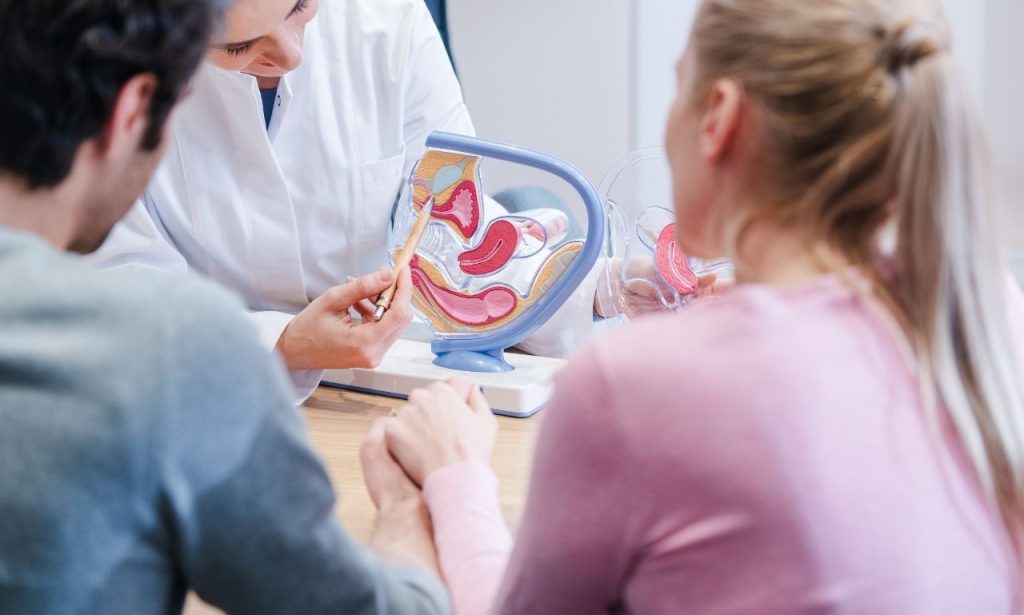
Hydration supports reproductive health, but it should not overshadow factors with a stronger impact on fertility outcomes.
Age remains one of the most important influences on both male and female fertility. Hormonal health, body weight, smoking, alcohol use, chronic stress, sleep quality, and underlying medical conditions often play a more direct role.
Conditions such as polycystic ovary syndrome, endometriosis, thyroid disorders, and male factor infertility can significantly affect conception. Addressing these issues typically has a greater effect on fertility than increasing water intake alone.
A healthy lifestyle works best when viewed as a collection of habits rather than a single intervention.
Creating a Fertility-Friendly Hydration Routine
Most people do not need complicated hydration strategies. Consistency is usually more important than perfection.
Drinking water throughout the day, eating water-rich fruits and vegetables, and paying attention to thirst cues can help maintain healthy hydration levels. Foods such as cucumbers, watermelon, oranges, lettuce, and strawberries contribute to daily fluid intake while providing valuable nutrients.
People who exercise frequently, spend time in hot climates, or are recovering from illness may need additional fluids.
The goal is not to drink excessive amounts of water. Rather, it is to maintain steady hydration that supports overall health and reproductive function.
Conclusion
So, can dehydration affect fertility? While it is unlikely to cause infertility on its own, dehydration can influence several factors that support conception. Cervical mucus production, circulation, semen volume, and overall reproductive function all depend, to some degree, on adequate hydration.
Drinking more water will not solve every fertility challenge. Yet maintaining healthy hydration remains one of the simplest ways to support the body’s natural reproductive processes. For anyone trying to conceive, it is a habit worth paying attention to alongside nutrition, sleep, exercise, and appropriate medical care.
Also Read: What Does Cervical Mucus Look Like After Ovulation?
FAQs
It can contribute to conditions that are less favorable for conception, particularly by affecting cervical mucus and overall bodily function.
Dehydration may influence semen volume and sperm performance, but it is not considered a primary cause of low sperm count.
Fluid needs vary, but most adults benefit from consistent hydration throughout the day and paying attention to thirst and urine color.
Mild dehydration is unlikely to stop ovulation. Severe or chronic dehydration may contribute to physical stress that can affect menstrual cycles in some cases.
