
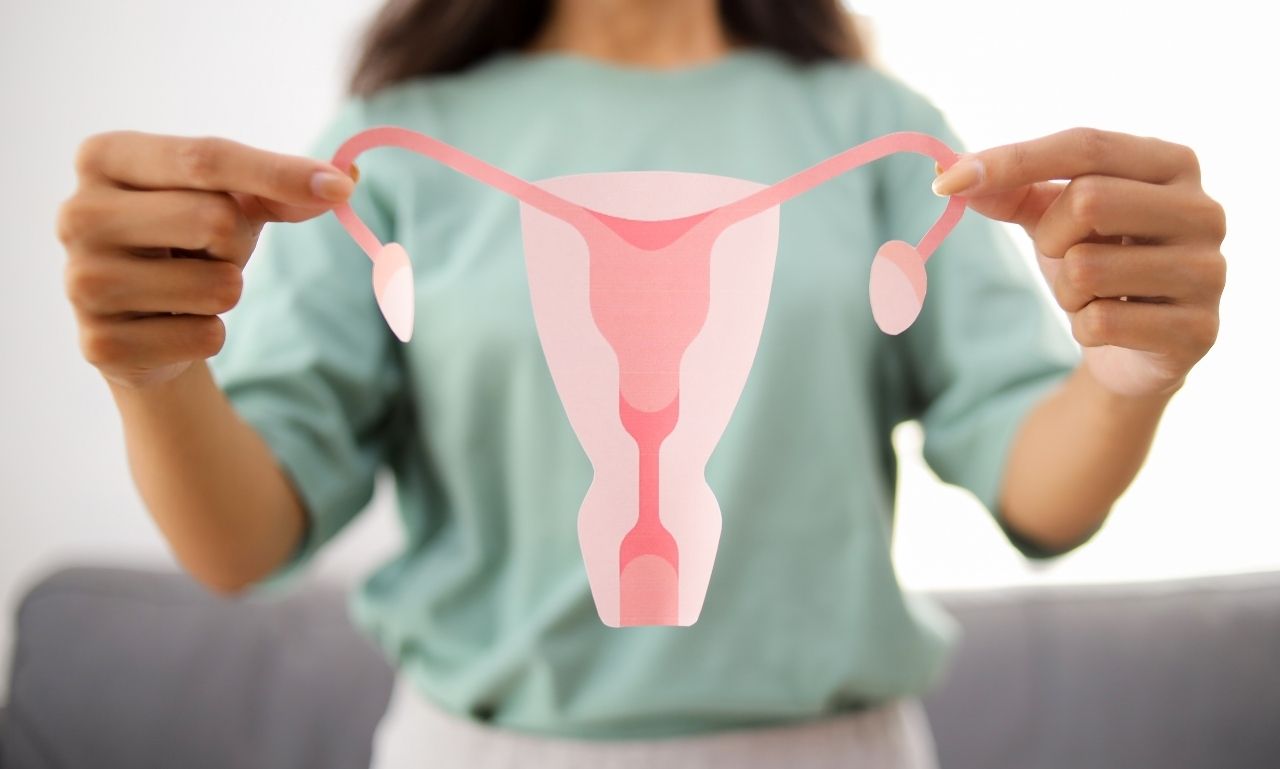
Many women notice changes in their vaginal discharge after ovulation and wonder what those changes mean. Understanding what cervical mucus looks like after ovulation can provide valuable insight into your menstrual cycle, fertility patterns, and overall reproductive health.
Understanding Cervical Mucus and Its Role in the Menstrual Cycle
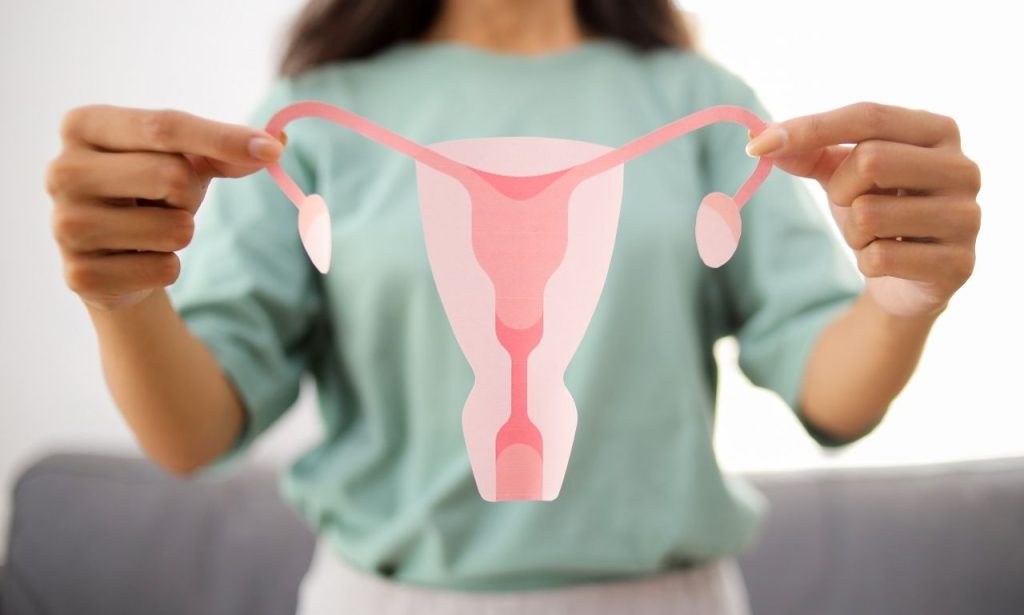
Cervical mucus is a fluid produced by glands inside the cervix. Its appearance, texture, and quantity change throughout the menstrual cycle in response to shifting hormone levels.
These changes are not random. Cervical mucus plays an important role in fertility by helping or preventing sperm movement depending on where you are in your cycle. Around ovulation, it becomes slippery and stretchy to support conception. After ovulation, its characteristics change noticeably as progesterone becomes the dominant hormone.
What Does Cervical Mucus Look Like After Ovulation?
The most common answer to what does cervical mucus look like after ovulation is that it becomes thicker, stickier, and less abundant than it was during the fertile window.
Many women notice that the clear, stretchy, egg-white cervical mucus present around ovulation disappears within a day or two. In its place, the mucus often becomes:
- Thick and tacky
- Creamy white
- Cloudy or opaque
- Sticky between the fingers
- Less noticeable overall
Some women experience several days of dryness after ovulation, while others continue to produce small amounts of creamy discharge. Both patterns can be completely normal.
The exact appearance varies from person to person. What matters most is recognizing your own recurring cycle patterns.
Why Cervical Mucus Changes After Ovulation
To understand these changes, it helps to look at the hormones involved.
Before ovulation, estrogen levels rise. Estrogen stimulates the production of abundant, watery, and stretchy cervical mucus. This fertile mucus helps sperm travel through the reproductive tract.
After an egg is released, progesterone takes over. Progesterone causes cervical mucus to thicken and become less hospitable to sperm. In many cases, it forms a protective barrier within the cervix.
This shift explains why the mucus becomes creamier, stickier, or even disappears for a period of time. The body is essentially moving from a fertile state to one focused on supporting a potential pregnancy.
The Typical Cervical Mucus Timeline After Ovulation
Although every cycle is unique, many women notice a predictable progression during the luteal phase.
One to Three Days After Ovulation
The slippery egg-white mucus begins to disappear. Discharge often becomes thicker and less stretchy. Some women report feeling dry almost immediately after ovulation.
Four to Seven Days After Ovulation
Creamy white or pale yellow mucus commonly appears during this stage. The amount is usually much lower than during the fertile window.
Eight to Twelve Days After Ovulation
Discharge may remain creamy, become sticky, or decrease significantly. If conception occurs, some women notice an increase in discharge due to hormonal changes, though this is not a reliable pregnancy sign on its own.
Just Before a Period
As hormone levels decline, cervical mucus may become scant or disappear altogether. Menstrual bleeding then begins, marking the start of a new cycle.
Is Dry Cervical Mucus After Ovulation Normal?
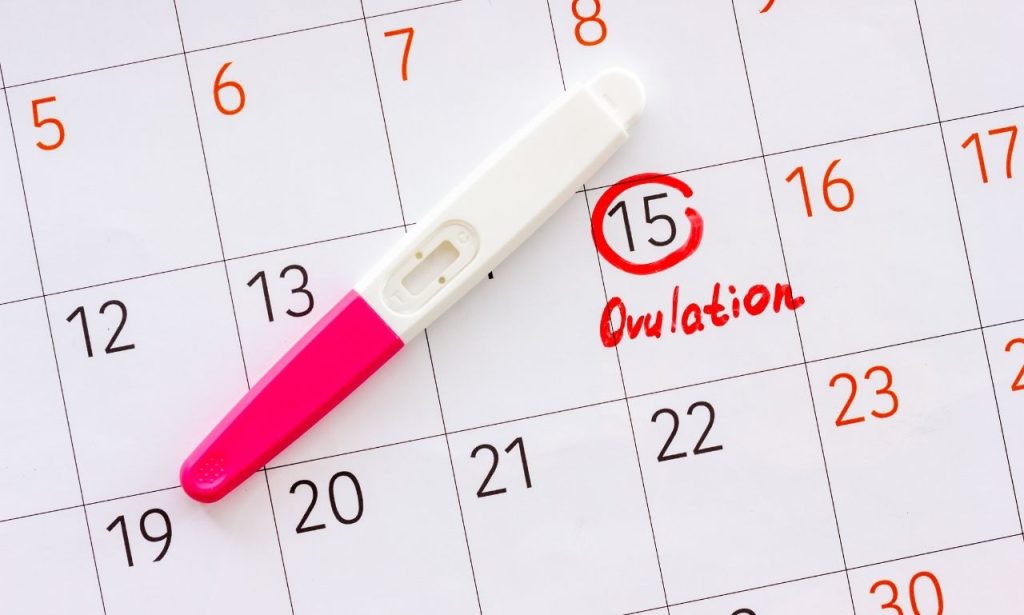
Many women become concerned when they notice very little discharge after ovulation. In reality, dryness is one of the most common post-ovulation patterns.
Progesterone reduces cervical fluid production in many individuals. As a result, the vaginal area may feel noticeably less moist than it did during the fertile phase.
Dry days after ovulation do not automatically indicate a fertility problem or hormonal imbalance. They are often a normal response to changing hormone levels.
However, if dryness persists throughout the entire cycle or is accompanied by discomfort, discussing it with a healthcare provider may be worthwhile.
Can Cervical Mucus Be Watery After Ovulation?
While thick or creamy mucus is more typical, watery discharge after ovulation can also occur.
Several factors may contribute to this pattern. Hormonal fluctuations, stress, medication use, hydration levels, and natural cycle variation can all influence cervical mucus.
Some women experience a secondary estrogen surge during the luteal phase. This temporary rise in estrogen may cause mucus to appear more watery or abundant than expected.
Watery discharge after ovulation does not necessarily indicate pregnancy or a medical issue. Context matters, and a single cycle rarely tells the whole story.
Cervical Mucus After Ovulation and Early Pregnancy
One of the most frequently searched questions is whether cervical mucus can reveal pregnancy before a test does.
After conception, rising hormone levels often increase vaginal discharge. Many women notice a milky white discharge known as leukorrhea during early pregnancy.
This discharge is usually:
- Thin to creamy
- White or off-white
- Mild-smelling or odorless
- More noticeable than usual
However, it is important to recognize that pregnancy discharge can closely resemble normal luteal-phase mucus. Some women experience increased discharge before a period even when they are not pregnant.
For this reason, cervical mucus alone cannot confirm pregnancy. A pregnancy test remains the most reliable method.
Can Egg White Cervical Mucus Appear After Ovulation?
Seeing egg-white cervical mucus after ovulation often creates confusion.
In some cases, ovulation may have occurred later than expected. What appears to be post-ovulation mucus may actually signal that ovulation is still approaching.
Another possibility is a secondary estrogen rise. Some women experience a brief return of fertile-type mucus during the luteal phase without releasing another egg.
Women with irregular cycles may notice multiple patches of fertile cervical mucus before ovulation finally occurs. This pattern is particularly common in those with hormonal conditions such as PCOS.
A single observation should not be used to determine ovulation timing. Combining mucus tracking with other fertility signs provides a more complete picture.
How Cervical Mucus Helps Track Fertility
Cervical mucus remains one of the most useful fertility indicators available without medical testing.
Tracking daily changes can help identify fertile days and better understand your cycle. Many fertility awareness methods rely heavily on cervical mucus observations.
Women who track cervical mucus often record:
- Texture
- Color
- Quantity
- Stretchiness
- Sensation of wetness or dryness
Over time, patterns become easier to recognize. This information can be valuable for both achieving pregnancy and avoiding pregnancy through fertility awareness methods.
Cervical mucus should not be viewed in isolation. Combining observations with basal body temperature and ovulation predictor kits often improves accuracy.
When Changes in Cervical Mucus May Signal a Problem
Most variations in cervical mucus are harmless. Still, certain changes deserve attention.
Contact a healthcare provider if discharge is accompanied by:
- A strong or unpleasant odor
- Burning sensations
- Persistent itching
- Green or gray coloration
- Pelvic pain
- Unusual bleeding
These symptoms may indicate an infection or another condition that requires treatment.
Healthy cervical mucus can vary widely in appearance, but it should not cause significant discomfort or have a foul smell.
Factors That Affect Cervical Mucus After Ovulation
Several factors can influence how cervical mucus appears during the luteal phase.
Hormonal birth control can alter or suppress normal mucus patterns. Breastfeeding often changes hormone levels and affects cervical secretions. Stress may disrupt ovulation and create unusual mucus patterns.
Other factors include:
- Perimenopause
- PCOS
- Thyroid disorders
- Fertility medications
- Vaginal infections
- Dehydration
Because so many variables influence cervical mucus, comparing your current cycle to your own previous patterns is often more useful than comparing yourself to others.
Conclusion
Understanding what cervical mucus looks like after ovulation can help you make sense of the hormonal changes happening throughout your cycle. For most women, post-ovulation mucus becomes thicker, creamier, stickier, or less noticeable as progesterone rises after the release of an egg.
While cervical mucus can offer valuable clues about fertility and reproductive health, it should not be used as a standalone tool to diagnose pregnancy or medical conditions. Tracking your patterns over several cycles provides the clearest picture and helps you better understand what is normal for your body.
Also Read: Can Dehydration Affect Fertility?
FAQs
Most women notice changes within one to three days after ovulation. Fertile egg-white mucus usually becomes thicker, creamier, or less abundant.
Yes. Thick white or creamy discharge is one of the most common forms of cervical mucus during the luteal phase and is usually caused by rising progesterone levels.
No. Cervical mucus can change during early pregnancy, but similar changes also occur before a period. A pregnancy test is needed for confirmation.
Dryness after ovulation is often normal and results from progesterone reducing cervical fluid production. Many women experience several dry days before their next period.
