
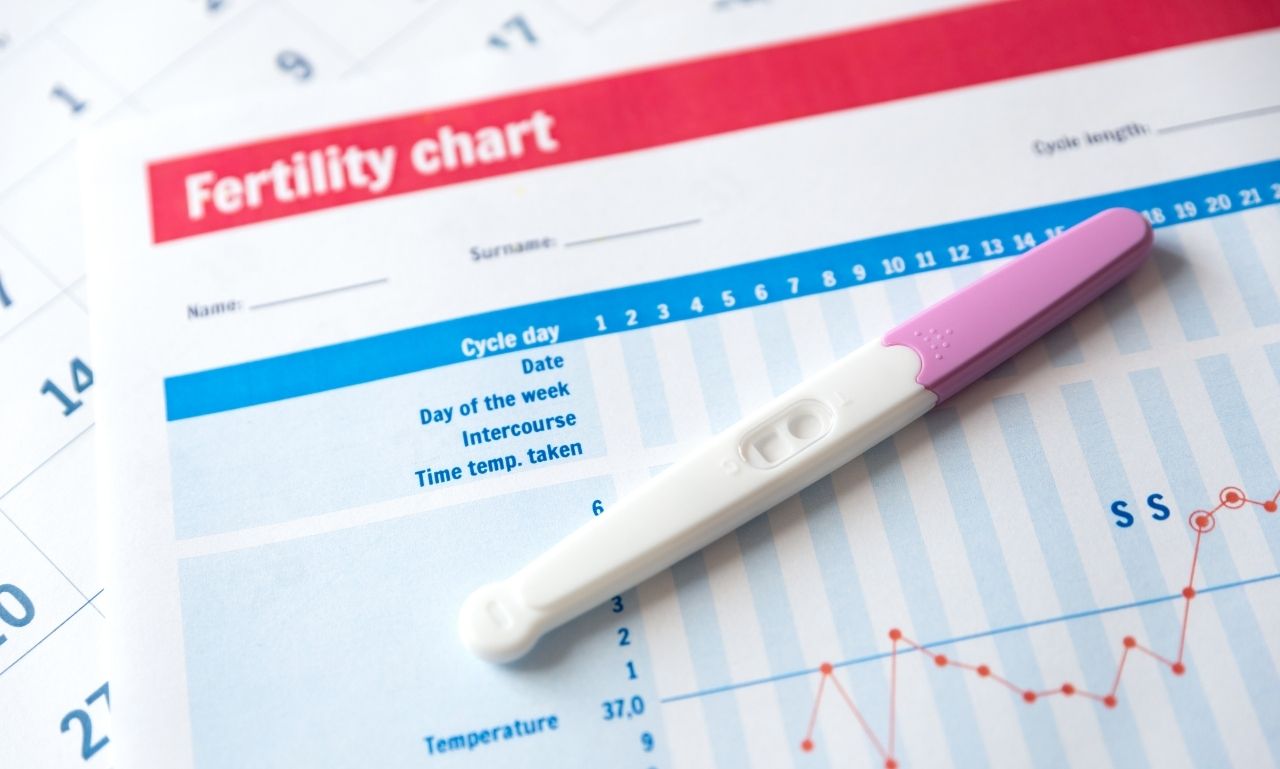
Many women ask the same question when they decide they are ready for pregnancy: how long does it take fertility to return after stopping birth control? The answer is often reassuring. For most people, fertility returns sooner than expected, although the timeline varies depending on the method used and individual health factors.
How Birth Control Affects Fertility
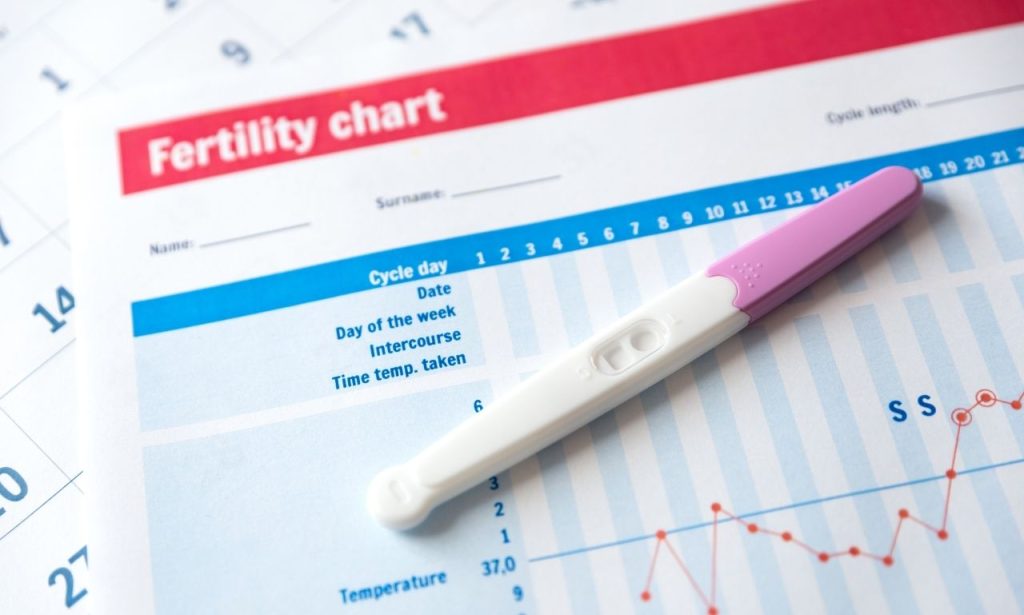
Before looking at timelines, it helps to understand what birth control actually does.
Most hormonal contraceptives prevent pregnancy by stopping ovulation, thickening cervical mucus, or changing the uterine lining. These effects are temporary. Birth control does not permanently switch off the reproductive system. Instead, it creates conditions that make pregnancy unlikely while the medication or device is active.
Once contraception is stopped, the body begins returning to its natural hormonal rhythm. For some women, this happens almost immediately. Others may need several weeks or months before regular ovulation resumes.
The important distinction is that birth control delays conception while it is being used. It does not generally damage fertility.
How Long Does It Take Fertility to Return After Stopping Birth Control?
The timeline depends largely on the contraceptive method.
For most birth control pills, fertility can return within a few weeks. Women often ovulate before experiencing their first natural period. Hormonal IUDs, copper IUDs, implants, patches, and vaginal rings also allow fertility to return relatively quickly after removal.
The exception is the birth control injection. Depo-Provera can continue affecting ovulation long after the last shot has worn off.
Many women become pregnant within the first year after stopping contraception. Research consistently shows pregnancy rates are similar to those of women who never used hormonal birth control.
Average Fertility Return by Birth Control Method
Although every woman is different, these are common timelines:
- Combined birth control pill: a few weeks to three months
- Mini pill: within days or weeks
- Hormonal IUD: within one to three months
- Copper IUD: almost immediately
- Implant: within several weeks
- Vaginal ring: within one to three months
- Birth control patch: within one to three months
- Depo-Provera shot: six to eighteen months
These figures represent averages rather than guarantees. Some women conceive during their first cycle, while others require more time.
Can You Get Pregnant Immediately After Stopping Birth Control?
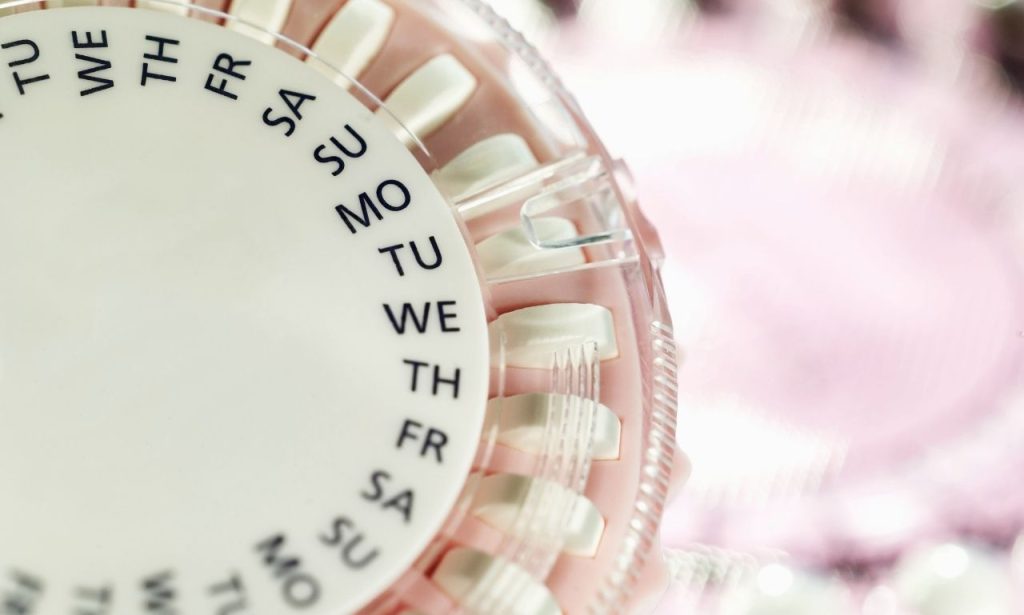
Yes, pregnancy can happen surprisingly quickly.
A common misconception is that fertility returns only after the first menstrual period. In reality, ovulation often occurs before that period arrives. If intercourse happens during that first ovulation, pregnancy is possible.
This explains why some women become pregnant within weeks of stopping contraception. The body does not always need an adjustment period before releasing an egg.
For couples actively trying to conceive, this can be encouraging. For those stopping contraception for other reasons, it highlights the need for alternative protection if pregnancy is not desired.
Fertility After Stopping Birth Control Pills
Birth control pills remain one of the most widely used contraceptive methods, and they are also one of the least likely to cause delays in fertility.
The hormones in the pill leave the body quickly. Within a short time, the brain resumes communication with the ovaries through reproductive hormones that regulate ovulation.
Some women experience temporary cycle irregularities after stopping the pill. Their periods may be shorter, longer, lighter, or heavier than expected. This usually reflects the body’s return to its natural cycle rather than a fertility problem.
In many cases, women ovulate within the first month after discontinuing oral contraceptives.
Why Some Women Experience Delayed Cycles
Birth control can mask underlying conditions that existed before contraception started.
For example, a woman with polycystic ovary syndrome may have enjoyed regular periods while using hormonal contraception. After stopping, irregular cycles may return. This can create the impression that birth control caused fertility problems when the underlying condition was present all along.
Fertility After IUD Removal
IUDs are often associated with concerns about future fertility, but evidence shows these fears are largely unfounded.
The copper IUD contains no hormones. Once removed, there is virtually no waiting period for fertility to return. Pregnancy can occur during the next cycle.
Hormonal IUDs release progestin directly into the uterus. Despite this hormonal effect, fertility usually returns quickly after removal. Ovulation often resumes within weeks.
Many fertility specialists consider IUDs among the most rapidly reversible forms of contraception.
Why the Depo-Provera Shot Takes Longer
The birth control shot stands apart from other methods because of its longer-lasting hormonal effects.
Each injection contains a high dose of progestin designed to suppress ovulation for several months. Even after the scheduled protection period ends, residual hormone activity can continue affecting reproductive function.
This does not mean fertility has been harmed. Rather, the body needs time to fully clear the medication and restart normal ovulation patterns.
Some women conceive within a few months after their last injection. Others may wait a year or longer before fertility fully returns.
Because of this delay, healthcare providers often recommend planning ahead if pregnancy is desired in the near future.
Factors That Influence How Quickly Fertility Returns
Birth control is only one piece of the fertility puzzle.
Age remains one of the strongest influences on conception. Female fertility gradually declines during the thirties and more noticeably after age thirty-five.
Other factors can also affect the timeline:
- Body weight
- Smoking habits
- Chronic stress
- Thyroid disorders
- Polycystic ovary syndrome
- Endometriosis
- General reproductive health
Two women can stop the same contraceptive method on the same day and have very different experiences because their overall fertility profiles differ.
Understanding this helps set realistic expectations.
Signs That Ovulation Has Returned
Women trying to conceive often want reassurance that fertility is returning.
Several signs may indicate ovulation has resumed.
Cervical mucus often becomes clearer and more slippery. Some women notice mild pelvic discomfort around ovulation. Others experience increased libido or subtle changes in body temperature.
Ovulation predictor kits can provide additional confirmation by detecting hormone surges that occur before egg release.
Tracking these signs can help identify fertile windows and improve the chances of conception.
When Should You See a Fertility Specialist?
Patience is important, but there are situations where medical advice makes sense.
Women under age thirty-five are generally advised to seek evaluation after twelve months of trying without success.
Women aged thirty-five or older should consider assessment after six months of regular, unprotected intercourse.
Earlier evaluation may be appropriate for those with:
- Very irregular periods
- Known PCOS
- Endometriosis
- Previous pelvic infections
- Recurrent pregnancy loss
A fertility evaluation can identify issues that have nothing to do with prior birth control use.
Improving Your Chances of Conceiving After Birth Control
Once contraception is discontinued, a few practical steps can support reproductive health.
Prenatal vitamins containing folic acid should ideally begin before conception. Maintaining a healthy weight can improve ovulation and hormone balance. Regular exercise, adequate sleep, and smoking cessation also support fertility.
Timing intercourse around ovulation remains one of the most effective ways to increase pregnancy chances.
Many couples focus heavily on their previous contraceptive method when trying to conceive. In reality, overall health often has a greater influence on fertility outcomes.
Common Myths About Fertility and Birth Control
Misunderstandings continue to circulate online, often creating unnecessary anxiety.
One persistent myth claims that long-term birth control use causes infertility. Research does not support this idea. Most women regain fertility after stopping contraception.
Another myth suggests that pregnancy is impossible until a normal period returns. Since ovulation can occur before menstruation, pregnancy may happen sooner than expected.
Some believe the body needs a detox period before conception. Hormonal contraceptives do not require a cleansing phase. Fertility simply returns according to the body’s natural timeline.
Understanding these misconceptions helps women make informed decisions without unnecessary fear.
Conclusion
The question of how long does it take fertility to return after stopping birth control does not have a single answer. For most women, fertility returns within weeks or months, particularly after stopping pills, IUDs, implants, patches, or rings. The birth control shot often requires more patience, but even in those cases fertility typically returns over time.
Past contraceptive use is rarely the main obstacle to pregnancy. Age, overall health, ovulation patterns, and underlying reproductive conditions usually play a much larger role. Knowing what to expect can reduce uncertainty and help couples approach conception with realistic expectations and confidence.
Also Read: Can Stress Delay Ovulation Even If Your Period Is Regular?
FAQs
Some women become pregnant during their first cycle after stopping contraception, while others may need several months.
No. Modern contraceptive methods do not cause permanent infertility in healthy women.
Yes. Ovulation can occur before the first menstrual period, making pregnancy possible.
Depo-Provera injections typically cause the longest delay, with fertility sometimes taking up to eighteen months to fully return.
