
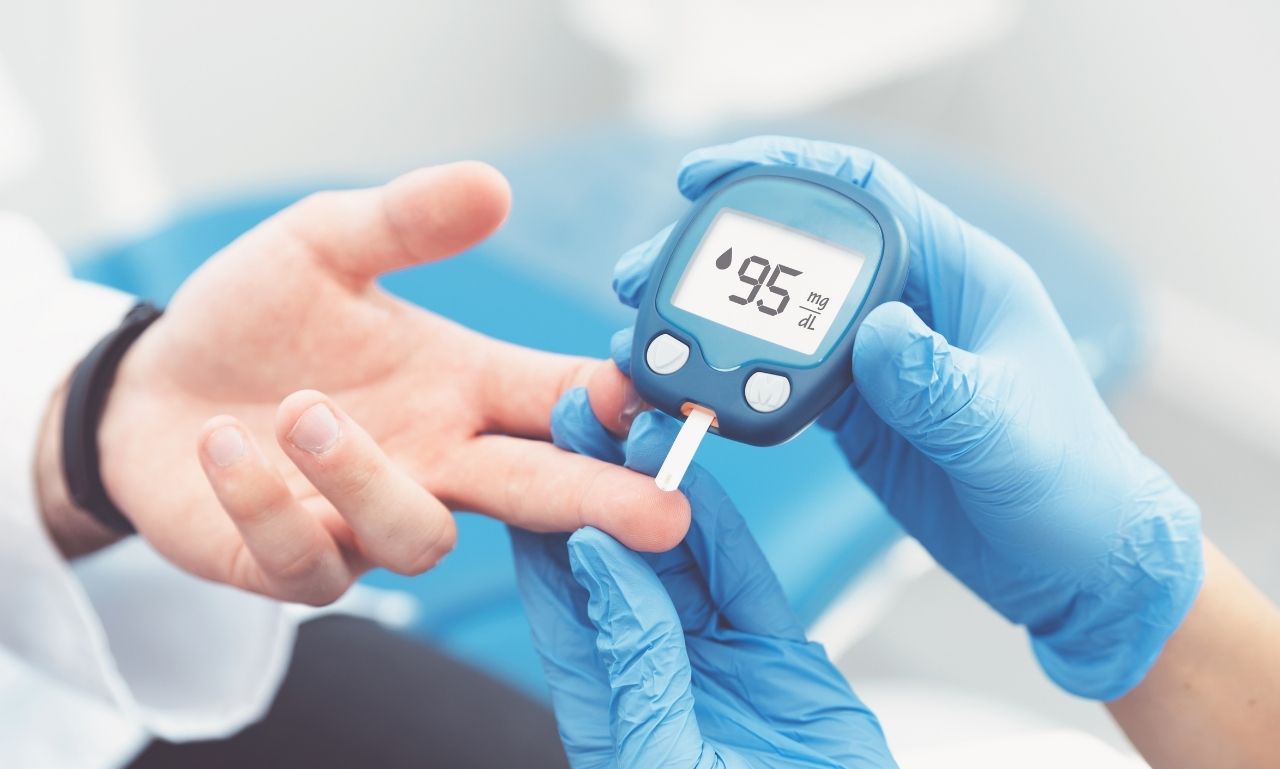
The body performs some of its most important maintenance work after the lights go out. Hormones are regulated, tissues repair themselves, and the brain sorts through the day’s experiences. When sleep repeatedly breaks apart for no obvious reason, those overnight processes can become less effective, leaving people tired even after spending enough hours in bed. Many people blame stress, caffeine, or an uncomfortable mattress for waking during the night. Those factors certainly matter, but the body’s glucose regulation can also play a surprisingly important role. In some cases, fluctuations in blood sugar contribute to restless sleep, frequent awakenings, or difficulty returning to sleep once awake.
How Blood Sugar and Sleep Influence Each Other
Sleep and metabolism operate as a closely connected system rather than two separate processes. Changes in one often affect the other, creating either a healthy cycle or one that gradually becomes disruptive.
Blood sugar, also known as blood glucose, provides fuel for nearly every cell in the body. Throughout the day and night, hormones such as insulin, glucagon, cortisol, and growth hormone work together to keep glucose within a relatively stable range.
Sleep changes how these hormones behave. During deep sleep, insulin sensitivity often improves, helping the body regulate glucose efficiently. At the same time, certain hormones naturally rise before morning to prepare the body for waking. This process can slightly increase blood sugar without causing problems in healthy individuals.
When glucose regulation becomes less stable, however, nighttime may become a period of unexpected highs or lows that interfere with normal sleep cycles.
Can Blood Sugar Cause Nighttime Wakeups?
The short answer is yes—but it is not the only possible cause.
Both low blood sugar (hypoglycemia) and high blood sugar (hyperglycemia) can interrupt sleep, although they do so in different ways. People with diabetes face a higher risk because medications, insulin therapy, or impaired glucose regulation make these fluctuations more common. Still, individuals without diabetes may also experience blood sugar swings under certain conditions.
The body’s survival systems react quickly when glucose moves outside its preferred range. Even if a person remains unaware of the exact cause, those internal changes may trigger partial awakenings or complete wakefulness.
The timing also matters. Many glucose-related awakenings occur during the early morning hours, when hormone levels naturally shift and metabolic demands begin increasing before sunrise.
What Happens When Blood Sugar Drops Too Low Overnight?
A falling glucose level can activate the body’s emergency response long before a person consciously recognizes what’s happening.
The body’s alarm system
When blood sugar declines significantly, the brain receives less of its primary fuel source. In response, stress hormones—including adrenaline and cortisol—are released to raise glucose levels.
These hormones are excellent at restoring blood sugar, but they are poor companions for restful sleep.
People experiencing nighttime hypoglycemia may suddenly wake with symptoms such as:
- Sweating or damp bed sheets
- Shaking or trembling
- Rapid heartbeat
- Intense hunger
- Anxiety or panic-like feelings
- Vivid dreams or nightmares
- Confusion upon waking
Some people return to sleep quickly and never realize why they awakened. Others remain awake for an hour or more because adrenaline continues circulating even after glucose begins recovering.
Severe overnight hypoglycemia is most common among people using insulin or certain diabetes medications, making medical guidance essential if these episodes occur repeatedly.
How High Blood Sugar Can Interrupt Sleep
High glucose levels create a different set of problems. Rather than triggering an emergency response, they gradually produce discomfort that becomes increasingly difficult to ignore.
When blood sugar remains elevated, the kidneys work harder to excrete excess glucose in the urine. This process pulls additional water from the body.
As a result, people may experience:
- Frequent urination during the night
- Increased thirst
- Dry mouth
- Headaches
- General restlessness
- Difficulty maintaining deep sleep
Instead of waking suddenly with a racing heart, individuals with hyperglycemia often notice repeated trips to the bathroom or an uncomfortable feeling that prevents uninterrupted sleep.
Persistent high blood sugar may also contribute to inflammation and changes in nervous system function that further reduce sleep quality over time.
The Dawn Phenomenon and Morning Blood Sugar
Not every elevated morning glucose reading indicates that something went wrong overnight.
One well-known process, called the dawn phenomenon, occurs when hormones such as cortisol, growth hormone, and glucagon naturally increase in the early morning hours. Their purpose is to prepare the body for waking by releasing stored glucose into the bloodstream.
For many people, insulin balances this increase without difficulty.
For individuals with diabetes or insulin resistance, however, the glucose rise may become more noticeable. Although the dawn phenomenon does not always wake someone directly, it can contribute to overnight glucose variability that affects overall sleep quality.
Healthcare providers sometimes distinguish between the dawn phenomenon and the Somogyi effect, in which low nighttime blood sugar is followed by a rebound increase. Determining which process is occurring often requires glucose monitoring rather than guesswork.
People Without Diabetes Can Experience Glucose-Related Sleep Problems Too
Blood sugar disturbances are not exclusive to diabetes.
Some people experience what is sometimes called reactive hypoglycemia, in which glucose falls several hours after eating a carbohydrate-heavy meal. Although true nighttime hypoglycemia is relatively uncommon in healthy adults, certain circumstances can increase the likelihood.
Examples include:
- Drinking large amounts of alcohol without eating
- Skipping meals during the day
- Intense evening exercise
- Very restrictive dieting
- Certain medications
- Rare hormonal or metabolic disorders
Insulin resistance can also develop years before diabetes is diagnosed. During this stage, blood sugar regulation may already be less efficient, potentially affecting sleep long before obvious symptoms appear.
Repeated nighttime waking combined with excessive thirst, unexplained fatigue, frequent urination, or unexpected weight changes deserves medical evaluation rather than self-diagnosis.
Other Conditions That May Look Like Blood Sugar Problems
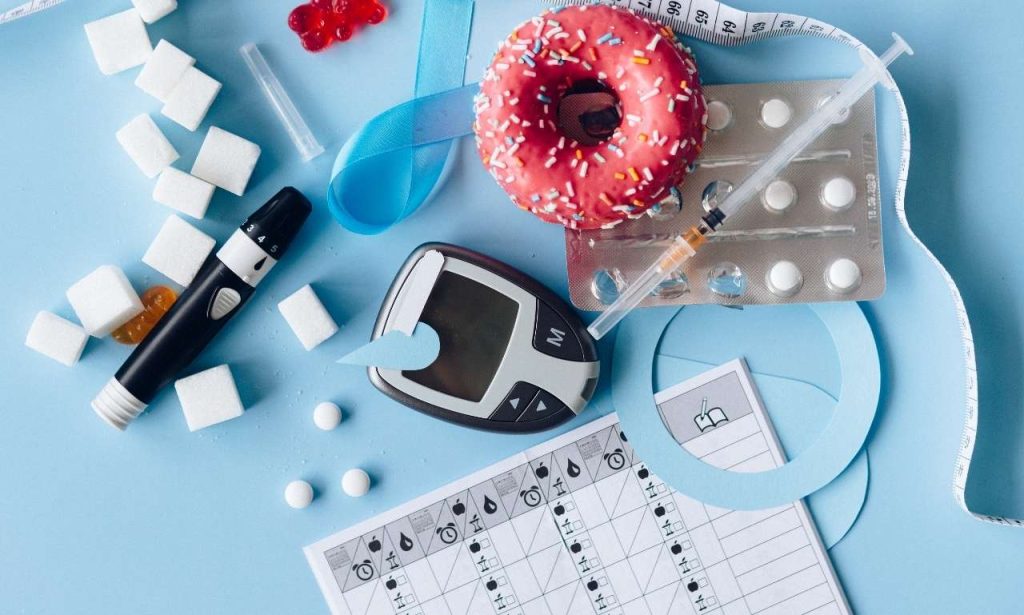
Many nighttime symptoms overlap with other sleep disorders and medical conditions. Assuming blood sugar is always responsible can delay appropriate treatment.
Several possibilities deserve consideration.
Sleep apnea
Repeated pauses in breathing can cause dozens of brief awakenings every night. Sleep apnea also increases insulin resistance, making the relationship between sleep and glucose even more complicated.
Anxiety and stress
Elevated stress hormones frequently produce rapid heartbeat, sweating, and sudden awakenings that resemble low blood sugar episodes.
Hormonal changes
Menopause, thyroid disorders, and changes in cortisol production can all influence nighttime temperature, heart rate, and sleep continuity.
Medication side effects
Certain antidepressants, steroids, asthma medications, and blood pressure medications may affect either sleep quality or glucose regulation.
Environmental factors
A warm bedroom, noise, alcohol consumption, late caffeine intake, or inconsistent sleep schedules may disrupt sleep independently of blood sugar.
Because these conditions often overlap, keeping a symptom diary can help healthcare providers identify patterns that are not immediately obvious.
Lifestyle Habits That Support Stable Overnight Glucose
Improving blood sugar stability does not necessarily require dramatic dietary changes. Small, consistent habits often have the greatest long-term impact.
Evening meals deserve particular attention. Meals that combine protein, healthy fats, fiber, and moderate portions of complex carbohydrates generally produce steadier glucose responses than large servings of refined carbohydrates alone.
Other helpful strategies include:
- Eating dinner at a consistent time
- Limiting sugary desserts immediately before bed
- Avoiding excessive alcohol, particularly on an empty stomach
- Staying hydrated throughout the day
- Exercising regularly, while recognizing that very intense late-night workouts affect some people differently
- Maintaining a consistent bedtime
- Managing chronic stress through relaxation techniques
For individuals with diabetes, medication timing may also require adjustment under medical supervision. Changing insulin doses independently can be dangerous and should never be done without professional guidance.
When Blood Sugar Monitoring May Be Helpful
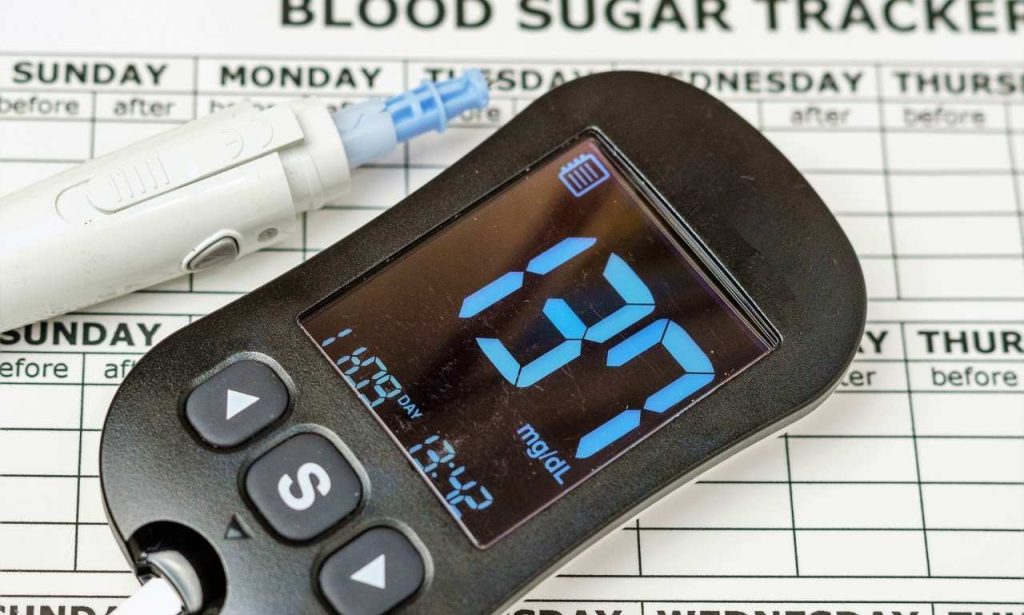
Not every person who wakes during the night needs a glucose monitor.
However, monitoring can provide valuable information when symptoms suggest glucose fluctuations or when someone already has diabetes.
Traditional finger-stick testing may reveal overnight patterns if measurements are taken before bed, during suspected episodes, and after waking.
Continuous glucose monitors (CGMs) offer an even clearer picture by recording glucose throughout the day and night. Many devices alert users when glucose rises above or falls below preset thresholds, helping identify episodes that might otherwise go unnoticed.
These data allow healthcare providers to determine whether nighttime awakenings correspond with actual glucose changes or whether another explanation is more likely.
Monitoring should always be interpreted alongside symptoms, medications, eating habits, and medical history rather than in isolation.
When to Talk With a Healthcare Professional
Occasional nighttime waking happens to almost everyone. Persistent interruptions, however, deserve attention—especially when accompanied by symptoms suggesting glucose instability.
Medical evaluation is appropriate if someone experiences:
- Repeated nighttime sweating without explanation
- Frequent waking with shaking or rapid heartbeat
- Morning headaches combined with poor sleep
- Excessive thirst and nighttime urination
- Unexplained fatigue despite adequate sleep
- Recurrent low glucose readings
- Difficulty controlling diabetes despite following treatment recommendations
Healthcare providers may recommend blood tests, sleep studies, medication reviews, or glucose monitoring depending on the overall clinical picture.
Seeking evaluation early can identify manageable problems before they become more serious.
Conclusion
Restful sleep depends on far more than a comfortable pillow or a quiet bedroom. The body’s metabolic systems remain active throughout the night, and even modest disruptions in glucose regulation can influence how often someone wakes and how refreshed they feel the next morning.
Understanding that both high and low blood sugar may contribute to interrupted sleep encourages a broader view of nighttime health. Rather than assuming every awakening has the same cause, looking for patterns—including eating habits, medications, stress, and medical conditions—provides a more accurate picture.
For people living with diabetes, overnight glucose management remains an important part of overall care. For everyone else, recurring sleep disruption, paired with symptoms such as excessive thirst, sweating, or unexplained fatigue, warrants professional evaluation rather than guesswork.
Recognizing these connections creates opportunities to improve both sleep quality and long-term metabolic health. Small adjustments, informed monitoring when appropriate, and timely medical advice can often make restless nights far less common.
Also Read: Why Do I Wake Up After Exactly 4 Hours of Sleep?
FAQs
Yes. Although less common, alcohol, irregular eating patterns, intense exercise, or early insulin resistance can sometimes contribute to overnight glucose fluctuations.
Common symptoms include sweating, shaking, rapid heartbeat, nightmares, confusion after waking, and sudden feelings of hunger or anxiety.
Not always. The type, timing, and size of the meal matter, and some people may still experience glucose fluctuations despite eating late.
If you have diabetes or symptoms that suggest glucose changes, discussing blood sugar monitoring with your healthcare provider is reasonable. Frequent nighttime waking has many possible causes, so a proper evaluation is often the best first step.
