

If you’ve ever opened your eyes in the middle of the night and noticed the clock showing almost the same time again, you’re not alone. Many people find themselves asking, “Why do I wake up after exactly 4 hours of sleep?” especially when it becomes a recurring pattern that leaves them tired the next day.
While it can be frustrating, waking after four hours isn’t always random. In many cases, your body’s natural sleep processes, lifestyle habits, or underlying health conditions may be playing a role.
Why 4 Hours of Sleep Seems Like a Breaking Point

Four hours may feel oddly specific, but it often aligns with the way human sleep is structured.
Most adults move through sleep in cycles lasting roughly 90 to 120 minutes. During a typical night, the first few cycles contain the deepest and most restorative sleep. By the time you reach the four-hour mark, you’ve usually completed two or three full cycles.
At this point, sleep naturally becomes lighter. Your brain becomes more responsive to noise, temperature changes, stress signals, or physical discomfort. If something disrupts you during this transition, waking up becomes much more likely.
This explains why many people consistently wake after four hours rather than at completely random times.
How Sleep Cycles Affect Nighttime Awakenings
Understanding sleep cycles helps answer the question: why do I wake up after exactly 4 hours of sleep?
Sleep isn’t one continuous state. It consists of several stages that repeat throughout the night.
The Early Hours Are Dominated by Deep Sleep
During the first half of the night, your body spends more time in deep sleep. This stage supports physical recovery, immune function, tissue repair, and hormone regulation.
Deep sleep is difficult to wake from. That’s why most people sleep soundly during the first few hours after falling asleep.
Sleep Becomes Lighter Later in the Night
As the night progresses, REM sleep becomes more frequent. REM sleep is important for memory, learning, and emotional processing, but it is also lighter than deep sleep.
Because of this shift, you become more sensitive to disruptions. Even minor disturbances that wouldn’t have affected you earlier can suddenly wake you up.
Stress and Anxiety Can Trigger a 4-Hour Wake-Up
One of the most common causes of sleep maintenance problems is stress.
Many people fall asleep without difficulty but wake up several hours later with racing thoughts or a sense of alertness.
Stress activates the body’s fight-or-flight response. Even if you don’t feel anxious during the day, your nervous system may remain partially activated at night.
As stress hormones rise, your brain becomes more alert. This often happens during lighter sleep stages, making the four-hour mark a common time to wake.
People experiencing work pressure, financial concerns, relationship difficulties, or major life changes frequently report waking at nearly the same time every night.
Cortisol and Your Internal Body Clock
Your body follows a 24-hour cycle known as the circadian rhythm.
Part of this system involves cortisol, a hormone often associated with stress. Cortisol isn’t inherently bad. In fact, it helps regulate energy levels and prepares you to wake up in the morning.
Problems arise when cortisol begins rising too early.
Early Cortisol Surges
For some individuals, cortisol production starts increasing several hours before the intended wake time.
This premature rise can signal the brain to become alert while the body still needs sleep.
The result is waking after four hours and struggling to fall asleep again.
Factors that may contribute include:
- Chronic stress
- Poor sleep habits
- Shift work
- Irregular sleep schedules
- Certain medical conditions
When cortisol becomes part of the problem, the wake-up pattern often feels remarkably consistent from night to night.
Lifestyle Habits That Disrupt Sleep After 4 Hours
Not every nighttime awakening stems from a medical issue. Sometimes everyday habits are the real culprit.
Alcohol Before Bed
Alcohol often creates the illusion of better sleep because it helps people fall asleep quickly.
However, once the body starts metabolizing alcohol, sleep quality declines. Sleep becomes fragmented, and awakenings become more common.
Many people who enjoy evening drinks notice they wake several hours later and struggle to return to sleep.
Late-Day Caffeine
Caffeine can remain in the body far longer than most people realize.
Even coffee consumed in the afternoon may still affect sleep quality late at night. While you may fall asleep normally, caffeine can reduce deep sleep and increase nighttime awakenings.
Irregular Sleep Schedules
Going to bed at different times every night can confuse your internal clock.
The body thrives on consistency. Frequent schedule changes make it harder to maintain uninterrupted sleep throughout the night.
Could Low Blood Sugar Be Waking You Up?

Blood sugar fluctuations may contribute to nighttime awakenings in some individuals.
When blood sugar drops too low during sleep, the body responds by releasing stress hormones such as adrenaline and cortisol.
These hormones help restore blood sugar levels but can also wake you up.
Some signs that blood sugar may be involved include:
- Night sweats
- Increased heart rate
- Hunger upon waking
- Feeling shaky or restless
People with diabetes, insulin resistance, or poor dietary habits may be more susceptible to these disruptions.
Medical Conditions Linked to Waking After 4 Hours
Sometimes waking after exactly four hours of sleep points to an underlying health issue.
Several conditions are known to interrupt sleep during the night.
Sleep Apnea
Sleep apnea causes repeated breathing interruptions while sleeping.
Each interruption briefly wakes the brain, even if you don’t remember it the next morning.
Common symptoms include loud snoring, gasping during sleep, morning headaches, and excessive daytime fatigue.
Insomnia
Sleep maintenance insomnia occurs when a person can fall asleep but struggles to stay asleep.
The pattern often involves waking after several hours and remaining awake for extended periods.
Gastroesophageal Reflux Disease (GERD)
Acid reflux can worsen when lying down.
As stomach acid moves upward, discomfort may trigger awakenings during lighter sleep stages.
Hormonal Changes
Hormonal fluctuations frequently affect sleep quality.
Women going through perimenopause or menopause often experience nighttime awakenings due to changes in estrogen and progesterone levels.
Thyroid disorders can also interfere with normal sleep patterns.
Why You Feel Wide Awake After Waking
Many people wonder why they don’t simply drift back to sleep.
Once the brain becomes fully alert, several biological systems activate simultaneously.
Stress hormones rise. Heart rate increases. Body temperature begins to climb. Mental activity becomes more noticeable.
At that point, the body starts transitioning toward wakefulness rather than sleep.
Checking the clock, scrolling on a phone, or worrying about lost sleep can make the situation worse.
The more attention you give the awakening, the more difficult it often becomes to return to sleep.
How to Stop Waking Up After Exactly 4 Hours of Sleep
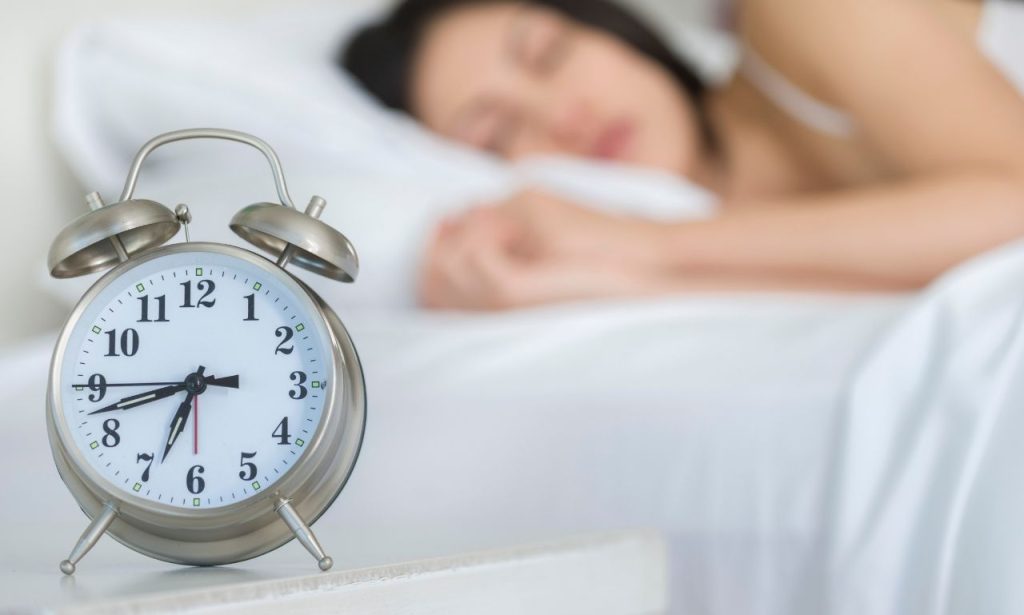
Improving sleep quality often requires addressing multiple factors rather than searching for a single cause.
Start by creating a consistent sleep schedule. Going to bed and waking at the same time each day strengthens your circadian rhythm.
Reduce caffeine intake later in the day. Limit alcohol consumption close to bedtime. Keep your bedroom cool, dark, and quiet.
Stress management can also make a significant difference. Activities such as gentle stretching, meditation, reading, or deep breathing before bed may help calm the nervous system.
If nighttime awakenings continue for several weeks despite healthy habits, it may be worth discussing the issue with a healthcare provider or sleep specialist.
When Should You Be Concerned?
Occasional awakenings are normal.
Persistent sleep disruption is different.
If waking after four hours occurs several nights a week and leads to fatigue, concentration problems, mood changes, or reduced daily functioning, professional evaluation may be necessary.
Pay particular attention if symptoms include loud snoring, breathing pauses, frequent urination, chest discomfort, or significant anxiety.
Sleep problems often develop gradually, making them easy to dismiss. Early evaluation can help identify issues before they become more serious.
Conclusion
If you’ve been wondering, “Why do I wake up after exactly 4 hours of sleep?” the answer often lies in a combination of sleep cycles, stress hormones, lifestyle habits, and overall health.
The four-hour mark coincides with a natural transition into lighter sleep, making awakenings more likely. For some people, stress, cortisol fluctuations, alcohol, caffeine, blood sugar changes, or sleep disorders make these awakenings happen consistently.
Understanding what triggers your own pattern is the first step toward better sleep. In many cases, simple adjustments improve sleep continuity. When they don’t, a medical evaluation can uncover underlying causes and help restore healthy, uninterrupted rest.
Also Read:
FAQs
This often happens because stress hormones become elevated after waking. Once the brain becomes fully alert, returning to sleep can be difficult.
It can be. Sleep maintenance insomnia commonly causes people to wake during the night and struggle to return to sleep.
Yes. Anxiety and chronic stress frequently trigger nighttime awakenings, especially during lighter sleep stages.
For most adults, no. Most healthy adults need between seven and nine hours of sleep each night for optimal physical and mental function.
