

Telehealth has made healthcare more accessible, but it has also introduced a challenge that doesn’t exist in a traditional clinic setting. Doctors can no longer rely on patients walking through the door and presenting identification at the reception desk. Instead, healthcare providers must confirm that the person on the screen is the correct patient before discussing medical information or providing treatment. Understanding how doctors verify your identity during telehealth visits helps explain why certain questions, documents, and security checks are part of the virtual healthcare experience.
Why Identity Verification Matters in Telehealth

Patient identification is one of the most important parts of healthcare. A mistake can affect medical records, treatment plans, prescriptions, insurance claims, and patient safety.
During an in-person appointment, staff members often verify a patient’s identity through government-issued identification, insurance cards, and direct interaction. Telehealth requires a different approach because the provider and patient are not in the same location.
Healthcare organizations must protect sensitive medical information while ensuring that the right person receives care. Identity verification serves several purposes at once. It helps prevent medical identity theft, protects patient privacy, reduces insurance fraud, and ensures compliance with healthcare regulations.
Without reliable verification procedures, a healthcare provider could accidentally disclose confidential medical information to the wrong individual or prescribe medication under false pretenses.
How Do Doctors Verify Your Identity During Telehealth Visits?
The exact process varies by provider, platform, and location, but most telehealth systems use multiple verification methods rather than relying on a single check.
A doctor may begin by confirming basic information such as your full name, date of birth, address, and phone number. These details are often compared with information already stored in the patient’s medical record.
Many telehealth providers also require patients to create an account before scheduling an appointment. During registration, patients may upload identification documents, insurance information, and contact details that can later be verified.
When the virtual visit begins, the provider may ask additional questions to confirm identity. In some cases, patients are asked to display a driver’s license, passport, or other government-issued photo identification directly to the camera.
This layered approach makes impersonation significantly more difficult and helps ensure that medical services are provided to the correct individual.
What Information Doctors Usually Ask Patients to Confirm
Identity verification often feels similar to security procedures used by banks or financial institutions. Providers typically request information that can be matched against existing records.
Common verification details include:
- Full legal name
- Date of birth
- Home address
- Phone number
- Email address
- Insurance information
- Medical history details
Doctors may also ask questions related to previous treatments, medications, allergies, or recent appointments. These questions help verify identity while simultaneously confirming that medical records are accurate.
The process usually takes only a few minutes, but it plays a critical role in maintaining patient safety.
The Role of Photo Identification in Virtual Appointments
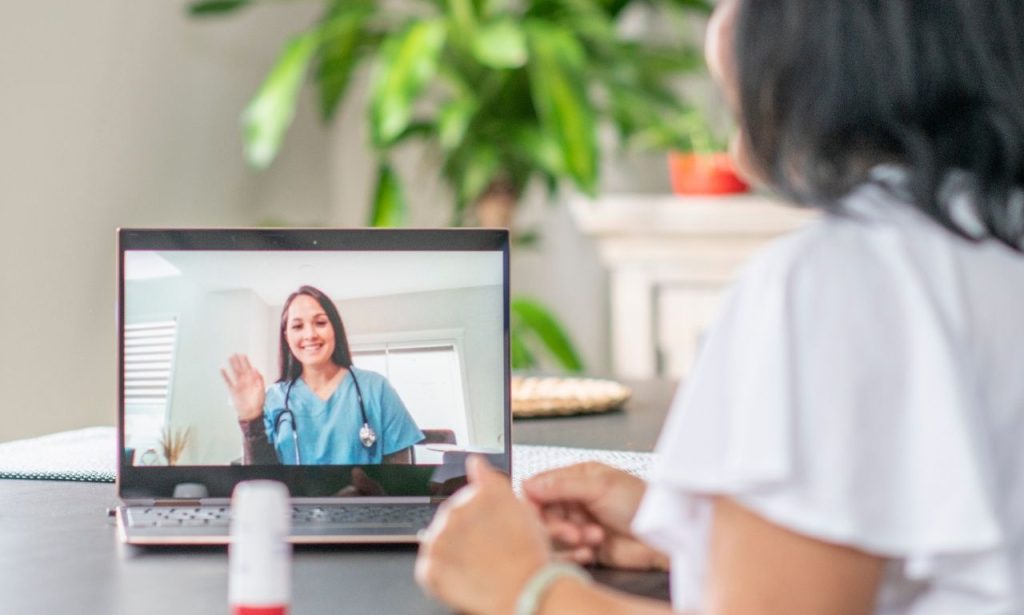
Photo identification remains one of the most effective verification tools in telehealth.
Many healthcare providers require first-time patients to upload a copy of a government-issued ID before their appointment. Others ask patients to hold their identification card up to the camera during the consultation.
The purpose is straightforward. A photo ID allows providers to compare the document with the person participating in the video call.
Accepted forms of identification often include driver’s licenses, passports, state-issued identification cards, military IDs, and other official documents that contain both a photograph and personal information.
Requirements may become stricter when appointments involve controlled medications, specialized treatments, or sensitive medical conditions.
How Telehealth Platforms Use Technology to Confirm Identity
Modern telehealth platforms rely heavily on digital security systems to strengthen identity verification.
Many providers use secure patient portals that require unique usernames and passwords. Once a patient logs in, the platform can verify account ownership through additional security measures.
Multi-factor authentication has become increasingly common. After entering login credentials, patients may receive a verification code through text message, email, or an authentication application. Access is granted only after the code is confirmed.
Some advanced systems incorporate biometric technology. Facial recognition, fingerprint authentication, and voice verification are becoming more common in healthcare environments.
These technologies help establish confidence that the person accessing medical services is the authorized account holder.
Medical Identity Theft and Why Providers Take Verification Seriously
Medical identity theft occurs when someone uses another person’s personal information to obtain healthcare services, prescriptions, or insurance benefits.
The consequences can be severe. Incorrect information may enter a patient’s medical record, potentially affecting future diagnoses and treatment decisions. Fraudulent claims can create insurance complications and financial losses.
Telehealth providers understand these risks. Strong verification procedures reduce opportunities for criminals to misuse personal information.
Patients should also remain vigilant. Unexpected medical bills, unfamiliar insurance claims, or treatments listed in medical records that were never received can all indicate potential identity theft.
Promptly reporting suspicious activity can prevent larger problems from developing.
How Identity Verification Affects Online Prescriptions
Prescription services often involve additional identity checks.
Doctors have legal and ethical responsibilities when prescribing medication through telehealth. These responsibilities become even more significant when controlled substances are involved.
Before issuing prescriptions, providers may verify identity through multiple methods. Some platforms require photo identification, detailed medical histories, insurance verification, and secure account authentication.
Federal and state regulations may impose additional requirements depending on the medication involved. In some cases, providers must establish a stronger level of identity assurance before prescribing certain drugs.
These safeguards help prevent prescription fraud while ensuring patients receive appropriate care.
Privacy Laws and Patient Protection During Telehealth Visits
Identity verification is closely connected to patient privacy.
Healthcare providers handle highly sensitive information, including medical histories, diagnoses, treatment plans, and insurance records. Protecting that information is a legal obligation.
In the United States, healthcare organizations generally follow HIPAA requirements. These regulations establish standards for safeguarding protected health information and controlling access to patient records.
Verification procedures help providers meet these obligations by ensuring confidential information is shared only with authorized individuals.
Most reputable telehealth platforms also use encrypted communications, secure data storage systems, and access controls designed to prevent unauthorized viewing of patient information.
Common Problems Patients Encounter During Verification
Although telehealth verification is usually straightforward, complications can occur.
One common issue involves outdated information. Patients who have changed addresses, phone numbers, or insurance providers may encounter delays if records no longer match.
Technical difficulties can also interfere with verification. Poor video quality, camera malfunctions, or unstable internet connections may make it difficult to review identification documents.
Expired identification documents present another challenge. Some providers may require updated identification before proceeding with treatment.
Account access issues are also common. Forgotten passwords, locked accounts, or authentication failures can delay appointments and create frustration.
Most telehealth providers offer support services that help patients resolve these problems before or during their appointment.
How Patients Can Prepare for a Faster Verification Process
Preparation can make the verification process quick and stress-free.
Before a telehealth appointment, patients should review their account information and ensure all details are current. Keeping identification documents nearby can also prevent delays.
Helpful preparation steps include:
- Having a government-issued ID available
- Confirming insurance information is current
- Testing the camera and microphone
- Ensuring a stable internet connection
- Logging in a few minutes early
- Updating contact information if necessary
These simple actions can help appointments begin on time and reduce the likelihood of verification issues.
The Future of Identity Verification in Telehealth
As telehealth continues to expand, verification technologies will likely become more sophisticated.
Healthcare organizations are already exploring artificial intelligence, biometric authentication, digital identity wallets, and liveness detection systems. These tools can strengthen security while making the patient experience more convenient.
Future systems may verify identity almost instantly without requiring multiple manual checks. At the same time, healthcare providers must balance convenience with privacy and security requirements.
The goal remains unchanged: ensuring that patients receive safe, secure, and trustworthy care regardless of where they access healthcare services.
Conclusion
The answer to the question, “How do doctors verify your identity during telehealth visits?” involves a combination of personal information checks, photo identification, secure technology, and regulatory safeguards. Healthcare providers use these measures to protect patient privacy, prevent fraud, maintain accurate medical records, and ensure that care reaches the right individual.
As virtual healthcare becomes a routine part of modern medicine, identity verification will remain a critical component of safe and effective telehealth services. Understanding the process can help patients prepare for appointments and feel more confident about the security of their personal health information.
Also Read: What Happens If a Telehealth Appointment Gets Disconnected?
FAQs
Most telehealth providers perform some form of identity verification, though the level of verification varies depending on the type of appointment and provider policies.
In most cases, no. Providers typically verify patient identity before issuing prescriptions, especially when controlled substances are involved.
Yes. Reputable telehealth platforms use secure login systems, encryption, multi-factor authentication, and other safeguards to protect patient information.
The provider may request additional documentation, ask further verification questions, or reschedule the appointment until identity can be confirmed.
