
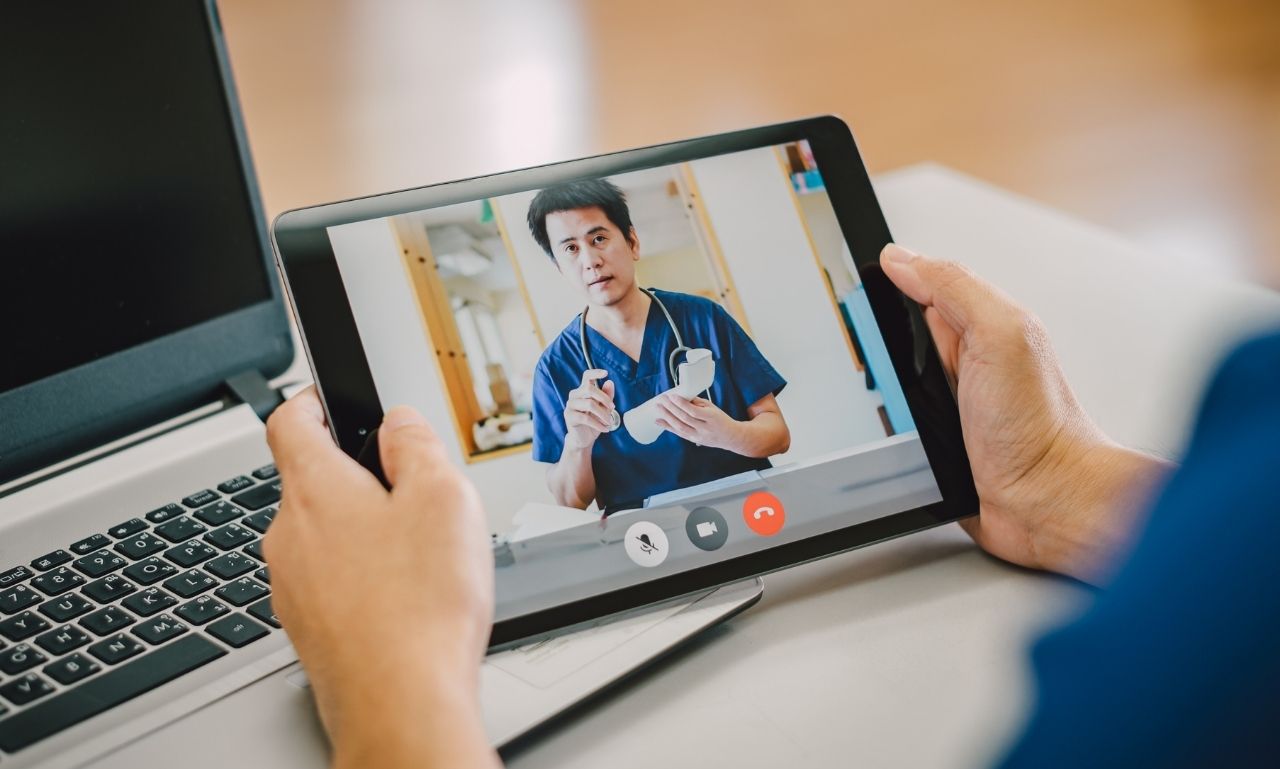
For years, telehealth has been promoted as a solution to healthcare access challenges. Yet one question continues to surface, especially in rural communities and underserved areas: how does telehealth work without high-speed internet? It’s a fair concern. Most people associate telehealth with video appointments that require a strong internet connection. But video conferencing is only one piece of the puzzle. In reality, telehealth has adapted to work in places where broadband remains unreliable, expensive, or unavailable altogether.
The Common Assumption About Telehealth
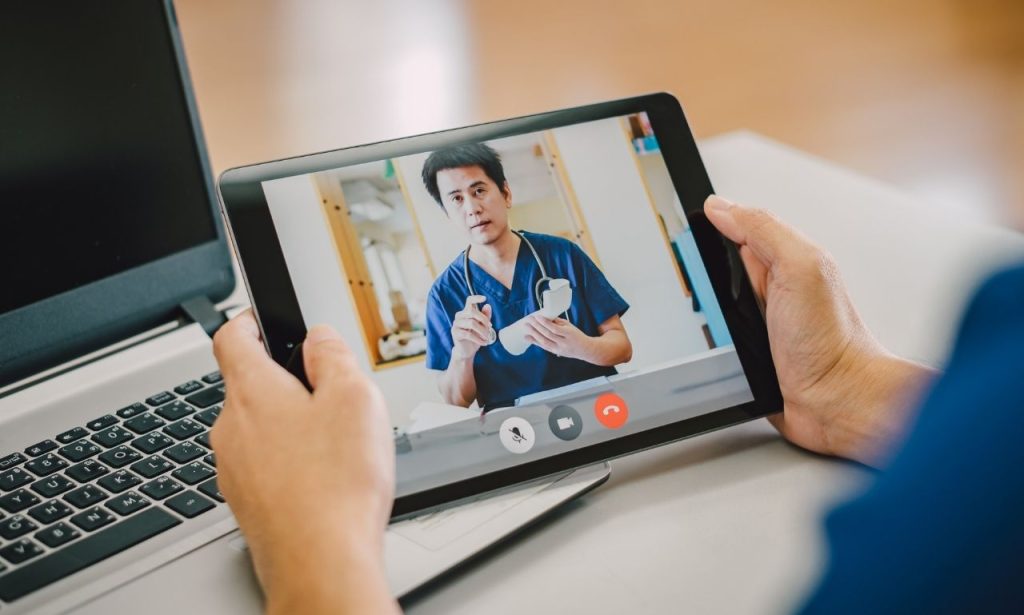
Mention telehealth and most people picture a doctor appearing on a smartphone or laptop screen. That image isn’t inaccurate, but it leaves out a large portion of how virtual healthcare actually functions.
Healthcare providers quickly discovered that relying solely on video appointments would exclude many patients. In remote communities, internet speeds often struggle to support streaming. Even in suburban areas, some households face data limits, service interruptions, or affordability issues.
Rather than treating broadband as a requirement, healthcare systems began developing alternatives that could work under less-than-ideal conditions.
The result is a telehealth ecosystem built around flexibility rather than a single technology.
How Does Telehealth Work Without High-Speed Internet?
At its core, telehealth is about communication. The technology matters, but the goal is simply to connect patients and providers in a way that supports care.
For some appointments, that connection happens through video. For others, a standard phone call may be enough. In certain situations, patients can send information electronically and receive feedback later without participating in a live consultation at all.
Healthcare providers choose the method based on the patient’s condition, available technology, and the purpose of the appointment.
A physician discussing medication side effects may only need a conversation. A therapist conducting a counseling session may focus entirely on what the patient says rather than what they see on a screen. In these cases, fast internet offers convenience, but it is not essential.
Why Phone Calls Remain a Valuable Healthcare Tool
Modern healthcare often focuses on innovation, yet one of telehealth’s most effective tools has existed for generations.
The telephone continues to play a central role in remote care. Audio-only appointments allow providers to reach patients who lack broadband access, struggle with technology, or live in areas where internet service remains inconsistent.
Phone consultations are commonly used for follow-up visits, medication management, mental health support, chronic disease monitoring, and general health advice.
The appeal is obvious. Patients already know how to use a phone. There are no software updates, login credentials, or camera settings to worry about. For older adults, that simplicity can make the difference between receiving care and avoiding it altogether.
Not every medical issue can be handled over the phone, but many routine interactions can.
The Quiet Importance of Store-and-Forward Care
One of the least visible forms of telehealth is also one of the most practical.
Store-and-forward technology allows patients to send information to healthcare providers without scheduling a live appointment. The provider reviews the information later and responds when appropriate.
A patient recovering from surgery might upload photos of an incision site. Someone managing a chronic condition could submit symptom updates through a secure portal. Laboratory results, questionnaires, and medical histories can all be shared this way.
Because information is exchanged asynchronously, patients do not need a continuous internet connection. They simply need enough connectivity to send data when possible.
This model has become especially useful in areas where internet reliability changes throughout the day.
Mobile Networks Fill an Important Gap
Broadband is not the only way to access telehealth.
In many parts of the world, cellular coverage reaches areas where traditional internet infrastructure does not. Smartphones have become the primary digital device for millions of people, making mobile networks a crucial part of healthcare delivery.
Many telehealth platforms are now designed with mobile users in mind. Applications often use less data, adjust performance based on signal strength, and allow communication through messaging features when video becomes difficult.
For patients living in remote communities, mobile connectivity often serves as the bridge between home and healthcare services.
Remote Monitoring Requires Less Data Than People Think
Remote patient monitoring is another example of telehealth functioning effectively without high-speed internet.
Many monitoring devices transmit only small amounts of information. Blood pressure readings, glucose measurements, oxygen levels, and weight records do not require significant bandwidth.
The data can often travel through cellular networks or low-bandwidth systems without difficulty.
For healthcare providers, these tools create an ongoing picture of a patient’s health. For patients, they reduce the need for frequent office visits.
Someone managing diabetes, for example, can share blood sugar readings regularly without traveling to a clinic or participating in a video consultation.
Why Rural Communities Depend on Low-Bandwidth Telehealth
The conversation around telehealth often returns to rural healthcare because the need is so clear.
Many rural residents face long drives to reach medical facilities. Accessing specialist care can require even greater travel. For individuals managing chronic conditions or limited mobility, these distances become more than an inconvenience.
Telehealth helps close that gap.
Yet rural communities are also more likely to experience limited broadband availability. This reality forced healthcare providers to design services that work under different connectivity conditions.
Phone consultations, secure messaging systems, mobile-based care, and remote monitoring have all become essential tools for reaching patients who live far from healthcare facilities.
Without these alternatives, many individuals would face even greater barriers to care.
What Healthcare Services Work Best Without Broadband?
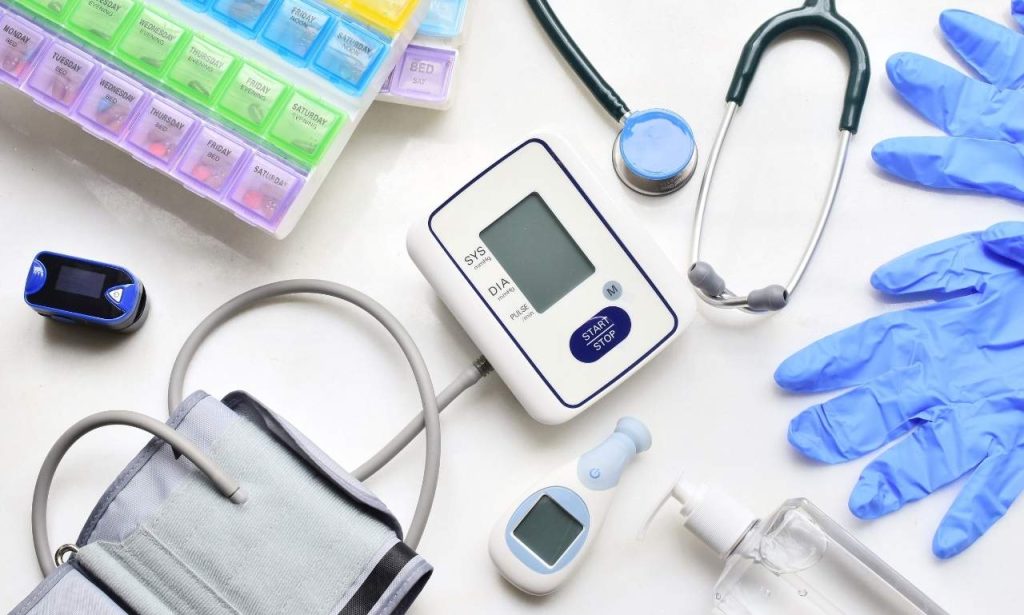
Some medical services adapt particularly well to low-bandwidth environments.
Mental health support is one example. Many therapists conduct effective sessions through phone calls. Medication reviews often require conversation rather than visual examination. Chronic disease management frequently depends on symptom updates and health data rather than face-to-face interaction.
Health coaching, smoking cessation programs, nutritional counseling, and follow-up appointments can also work effectively through audio or messaging-based communication.
That said, some situations still require video or in-person evaluation. Conditions involving visible symptoms, physical examinations, or diagnostic procedures may benefit from higher-bandwidth solutions.
Telehealth works best when providers match the communication method to the clinical need.
The Challenges That Still Exist
Telehealth without high-speed internet is practical, but it is not perfect.
Visual assessments become more difficult without video. Certain diagnostic clues may be missed when providers rely solely on conversation. Large medical files can take longer to transfer, and connectivity interruptions may occasionally delay communication.
Digital literacy remains another obstacle. Some patients struggle with online platforms regardless of internet quality.
Healthcare organizations continue addressing these challenges through simpler technology, patient education, and alternative communication methods.
The goal is not to replace every in-person interaction. The goal is to ensure that limited internet access does not prevent people from receiving care when they need it.
Looking Ahead
Telehealth will continue evolving as internet infrastructure improves. Broadband expansion projects, stronger mobile networks, and advances in healthcare technology will likely improve access over time.
At the same time, low-bandwidth solutions are unlikely to disappear. Phone consultations, remote monitoring systems, and asynchronous communication methods have proven their value. They serve patients who might otherwise be left behind.
As healthcare providers focus on accessibility, the future of telehealth will depend not only on faster internet but also on maintaining the flexibility that made remote care successful in the first place.
Conclusion
The question of how does telehealth work without high-speed internet highlights an important reality: healthcare access should not depend entirely on broadband availability. Through phone calls, mobile networks, store-and-forward systems, and remote monitoring technologies, providers continue delivering care to patients regardless of connectivity challenges.
High-speed internet can enhance telehealth, but it is not the foundation of every virtual healthcare interaction. What matters most is creating reliable ways for patients and providers to communicate. Telehealth has proven that this can happen even in places where broadband remains out of reach.
Also Read: How Do Doctors Verify Your Identity During Telehealth Visits?
FAQs
Yes. Many telehealth services use phone calls, messaging systems, and low-bandwidth tools that function well on slower connections.
No. Patients can often participate through cellular networks or standard telephone service.
Audio-only telehealth is effective for many services, including medication management, follow-up care, and mental health support.
Yes. Many rural patients access telehealth through phone consultations, mobile networks, secure messaging, and remote monitoring devices.
