
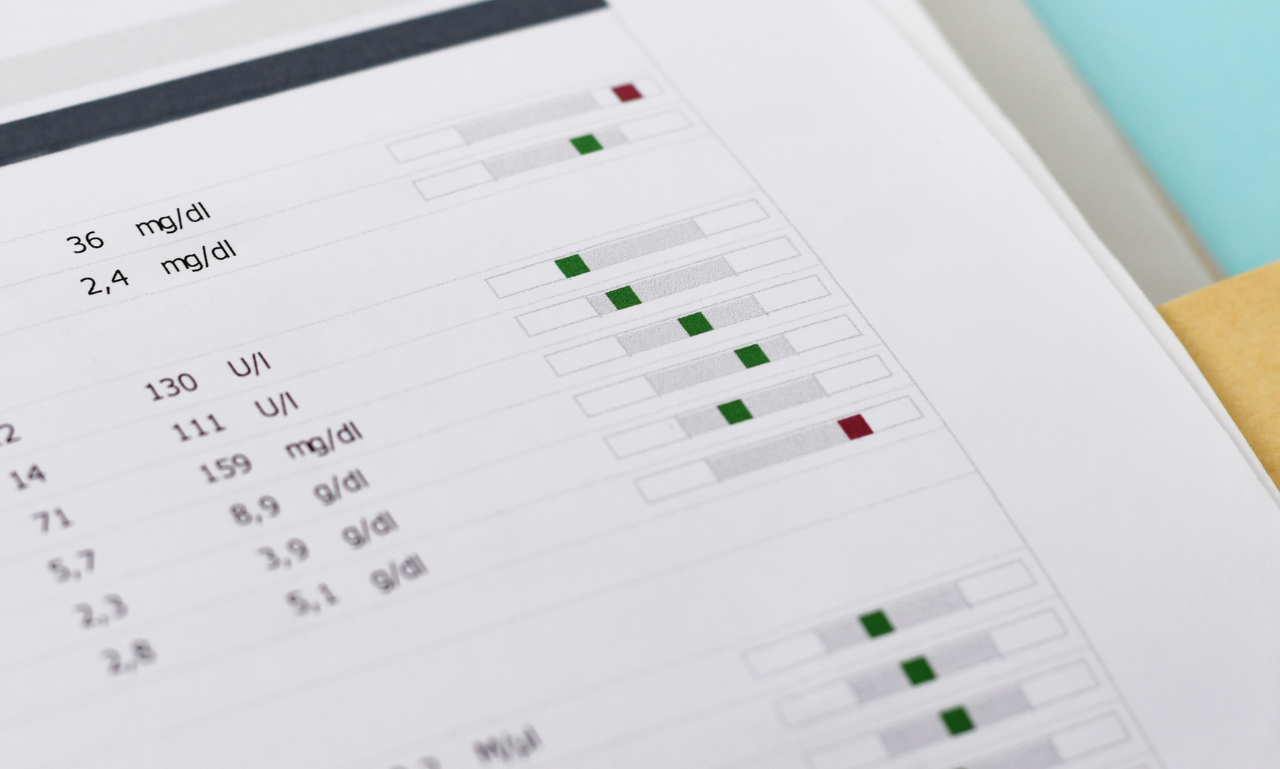
A reassuring screening result can feel like a permanent statement about health, even though it captures conditions at one particular point in time. Months or years later, the same person may receive a different cholesterol measurement, blood pressure reading, glucose result, or screening recommendation without having experienced obvious symptoms. Understanding why normal screening results can change requires recognizing that both the body and the circumstances surrounding medical testing are continually changing.
A Screening Result Is a Snapshot, Not a Lifetime Guarantee
Screening is generally used to look for disease or risk factors in people who may not have noticeable symptoms.
A normal result can be reassuring because the test did not identify the condition or abnormality it was designed to detect at that time.
It does not guarantee that the situation will remain unchanged indefinitely.
Many health conditions develop gradually. Risk factors can also shift as people age, gain or lose weight, change medications, alter activity levels, or experience other health changes.
Different screening tests also have different recommended intervals because the conditions they examine do not all develop at the same speed.
The value of repeat screening comes partly from this reality. A previous normal result provides useful information, but future measurements help determine whether something has changed.
Why Normal Screening Results Can Change
Biology is dynamic.
Blood pressure rises and falls. Blood glucose responds to meals, activity, illness, hormones, and medications. Cholesterol levels can change with diet, weight, genetics, aging, and treatment.
Even measurements that seem relatively stable can vary.
A laboratory value is therefore not always identical each time it is tested, even when a person’s underlying health has changed very little.
Some variation reflects normal biological fluctuation. Some comes from testing conditions. Other changes indicate a genuine shift in health.
Clinicians interpret results by considering the size of the change, whether it persists, other test findings, symptoms, medical history, and the patient’s overall risk profile.
One different number does not automatically establish that a disease has appeared.
Aging Changes Health Risk
A normal test result at 25 does not necessarily predict the same result at 45 or 65.
Age affects many physiological systems.
Blood vessels change, metabolism can shift, hormone levels evolve, and the cumulative effects of genetics and lifestyle become more visible over time.
The probability of many chronic conditions also increases with age.
This is one reason screening recommendations often depend partly on age. A test that provides limited benefit for a young person at low risk may become more useful later.
Age does not mean that abnormal results are inevitable.
Rather, it changes the probability that certain conditions or risk factors may emerge. Regular preventive care allows those changes to be identified when appropriate instead of assuming that an old normal result still represents the present.
Blood Pressure Can Vary From One Visit to Another
Blood pressure is particularly sensitive to immediate circumstances.
Physical activity, stress, pain, caffeine, nicotine, medications, sleep, body position, and even talking during measurement can influence a reading.
Some people also experience higher readings in medical settings because they feel anxious.
The opposite pattern can occur as well, with readings appearing normal in a clinic while being higher elsewhere.
For these reasons, clinicians may rely on repeated measurements or recommend home monitoring when appropriate rather than drawing major conclusions from one reading.
Technique matters too.
Cuff size, positioning, rest before measurement, and other procedural details can affect the result.
A change at the next checkup may therefore represent a genuine blood pressure trend, temporary circumstances, or a combination of both.
Blood Sugar Reflects More Than One Factor
Glucose measurements can change as metabolism and daily habits change.
Food intake, physical activity, illness, medications, sleep, and the timing of a test can all matter.
Different glucose-related tests also measure different aspects of blood sugar regulation.
A fasting glucose measurement reflects glucose under specific conditions, while other tests can provide information about longer-term patterns.
A person whose earlier screening was normal may later develop impaired glucose regulation as risk factors accumulate.
Weight changes, reduced physical activity, family history, age, and certain medical conditions can influence that risk.
At the same time, one unexpected result may need confirmation or additional evaluation.
The significance lies in the clinical context and pattern rather than simply comparing two numbers without considering how and when they were obtained.
Cholesterol Levels Can Shift Gradually
Cholesterol measurements are another common example of results changing between preventive visits.
Levels can be influenced by genetics, age, diet, body weight, physical activity, health conditions, and medications.
Changes are not always dramatic.
A measurement may gradually move from a desirable range toward a level that deserves greater attention.
Different components of a lipid panel also carry different meanings. Clinicians do not necessarily make decisions based on total cholesterol alone.
Broader cardiovascular risk matters.
Blood pressure, smoking, diabetes, age, family history, and other factors can influence how cholesterol results are interpreted.
This means the same cholesterol value can have different significance for two people.
Screening is useful partly because it allows these risk factors to be reconsidered as circumstances evolve.
Medications Can Alter Test Results
A new medication can change laboratory values or physiological measurements.
Sometimes that is exactly the intended effect.
Blood pressure medicines can lower blood pressure, while cholesterol-lowering treatment may alter lipid measurements. Diabetes treatments can affect glucose.
Other medications can influence measurements as an unintended or secondary effect.
This is why healthcare professionals usually need an accurate list of prescription drugs, over-the-counter medicines, and relevant supplements when interpreting results.
Starting, stopping, or changing a medication between checkups can help explain why a value differs from the previous measurement.
Patients should not discontinue prescribed treatment merely to see whether a test changes.
Instead, unexpected results should be discussed with the clinician who can evaluate medication effects alongside the reason the treatment was prescribed.
Illness Can Temporarily Affect Measurements
Routine screening sometimes occurs when the body is dealing with something unusual.
An infection, inflammation, dehydration, or another temporary health problem can affect certain measurements.
A person may not even consider a mild illness important enough to mention.
Temporary circumstances can therefore complicate interpretation.
If a result is substantially different from previous measurements and does not fit the broader clinical picture, a healthcare professional may decide that repeating the test is appropriate.
The timing depends on the measurement and the suspected reason for the difference.
This is one reason screening numbers should not always be treated as isolated verdicts.
Laboratory tests provide information that must be interpreted in relation to what was happening in the body when the sample was collected.
Weight and Activity Patterns Can Change Risk

Small lifestyle changes can accumulate over several years.
A person may become less physically active after changing jobs, moving, developing an injury, or losing a regular exercise routine.
Body weight and composition may change gradually enough that the difference feels insignificant from month to month.
These shifts can influence cardiovascular and metabolic risk.
The opposite is also possible.
Greater activity, dietary changes, weight management, smoking cessation, or effective treatment can improve some measurements between checkups.
Screening results therefore do not always move in an unfavorable direction with age.
They can respond to changing circumstances.
The important point is that health risks are not fixed. A normal result may become abnormal, while a previously concerning measurement can improve.
Repeated assessment helps identify both patterns.
Hormonal Changes Can Influence Health Markers
Hormones affect numerous physiological systems, so changes across different stages of life can alter measurements and risk profiles.
Puberty, pregnancy, menopause, and other hormonal transitions can influence metabolism and cardiovascular factors in different ways.
Medical treatments involving hormones can also be relevant.
The effects vary widely between individuals and depend on the specific measurement being considered.
This makes context particularly important when comparing results obtained years apart.
A change does not necessarily mean that something has suddenly gone wrong. It may reflect a broader physiological transition that needs to be interpreted alongside other health information.
Clinicians can determine whether the change is expected, deserves monitoring, or requires additional evaluation.
Testing Conditions Can Produce Different Numbers
Medical testing aims for consistency, but real-world conditions are never perfectly identical.
The time of day may differ. A patient may have eaten differently, exercised beforehand, slept poorly, or arrived dehydrated.
Laboratories and equipment can also have small measurement variations.
Some tests require specific preparation to make comparisons more meaningful.
If fasting is required, for example, following those instructions matters. So does informing the healthcare team when the preparation was not completed as intended.
This does not mean laboratory testing is unreliable.
It means measurements have to be understood within reasonable biological and technical variation.
Small differences between two results may be far less important than a persistent trend across several properly performed tests.
Screening Tests Are Not Perfect
No medical screening test identifies every case of disease with absolute certainty.
Tests have limitations.
A false-negative result occurs when a test does not identify a condition that is actually present. A false-positive occurs when a test suggests a possible problem that further evaluation does not confirm.
The likelihood and implications vary considerably between tests.
Screening programs are designed by balancing potential benefits against possible harms, including unnecessary follow-up procedures, anxiety, overdiagnosis, and missed disease.
This explains why screening recommendations differ according to age, sex, medical history, and risk factors rather than simply testing everyone for everything as often as possible.
A previous negative screening result substantially reduces concern in some circumstances, but it cannot always reduce risk to zero.
Screening Recommendations Can Change Too
Sometimes the person’s result has not changed—the recommendation has.
Medical guidance evolves as new evidence becomes available.
Researchers continue studying which groups benefit from particular screening tests, when screening should begin, how frequently it should occur, and when it may reasonably stop.
An individual can also move into a different screening category because of age or newly identified risk factors.
Family history provides a good example.
Learning that a close relative developed a particular disease may change how a healthcare professional assesses someone’s risk, even though the person’s own previous results were normal.
A new recommendation therefore does not necessarily mean the earlier approach was wrong.
It may reflect better evidence or a change in the person’s current risk profile.
Trends Often Matter More Than One Result
One of the greatest advantages of repeated preventive care is the ability to see patterns.
A single measurement provides a data point.
Several measurements over time can reveal direction.
A value that remains relatively stable for years tells a different story from one that gradually moves toward an abnormal range.
Clinicians can compare current results with earlier records while considering medications, health conditions, lifestyle changes, and other factors.
This is also why keeping continuity in medical records can be useful.
Previous results provide context that an isolated new measurement cannot.
The goal is not to become alarmed by every small fluctuation. It is to identify meaningful trends early enough for appropriate evaluation or intervention.
An Abnormal Result Is Often the Start of an Investigation

Screening is designed to identify people who may benefit from closer evaluation.
It is not always intended to make a final diagnosis by itself.
When a screening result is abnormal, the next step may involve repeating the measurement, performing a more specific test, reviewing medical history, or carrying out another form of assessment.
This distinction can reduce unnecessary anxiety.
An unexpected result deserves attention without automatically representing confirmation of serious disease.
Follow-up is what gives screening much of its value.
Ignoring an abnormal result removes the opportunity to determine whether it was temporary, inaccurate, clinically unimportant, or evidence of a genuine health problem.
Likewise, trying to interpret an isolated number without professional context can create unnecessary concern.
Conclusion
Preventive testing becomes most valuable when it is viewed as a series of observations rather than a collection of permanent labels. Human biology changes continuously, and screening offers periodic opportunities to see whether those changes have altered a person’s risk.
That is why normal screening results can change between checkups. Aging, medications, illness, lifestyle, hormones, testing conditions, and ordinary biological variation can all influence measurements, while genuine health conditions may develop after an earlier reassuring result.
The practical lesson is not to distrust a normal test or worry about every small fluctuation. It is to understand what the result can actually tell us. A normal result provides useful information about a particular moment; continued preventive care provides the timeline. When unexpected changes appear, appropriate follow-up helps distinguish temporary variation from a trend that deserves attention.
Also Read: Why Do Minor Aches Feel Worse at the End of the Day?
FAQs
Yes. Health conditions, medications, lifestyle changes, illness, and normal biological variation can alter results.
Not necessarily. Some abnormal screening results require repeat testing or further evaluation before a diagnosis can be made.
Stress, activity, caffeine, medications, measurement technique, and normal daily variation can affect blood pressure.
Often, yes, depending on the test, age, medical history, risk factors, and current screening recommendations.
