
Fresh air rarely earns much attention until it no longer feels fresh. People often notice stale rooms, lingering odors, or dusty furniture, yet few stop to consider what those conditions may be doing inside the body. Research increasingly suggests that poor indoor air quality can affect immunity, which is a worthwhile question because the air we breathe indoors influences far more than comfort.
Why Indoor Air Matters More Than Most People Realize
Most people spend close to 90 percent of their time indoors. Homes, offices, classrooms, shopping centers, and public transport all become part of the environment that the immune system must constantly navigate. Unlike outdoor pollutants, indoor contaminants often accumulate in enclosed spaces with limited ventilation.
Every breath carries tiny particles, gases, and microorganisms into the respiratory tract. The lungs are designed to filter many of these substances, but they cannot remove all of them. When exposure becomes frequent or prolonged, the body’s natural defenses may remain under continuous pressure rather than responding only when genuine threats arise.
This constant exposure helps explain why researchers continue studying whether poor indoor environments contribute to recurring respiratory illnesses, allergies, and chronic inflammation.
Can Poor Indoor Air Quality Affect Immunity? Understanding the Connection
The immune system depends on balance. It must react quickly to dangerous viruses and bacteria while avoiding unnecessary inflammation. Poor indoor air quality can interfere with that balance in several ways.
Fine airborne particles may irritate the lining of the nose, throat, and lungs. That irritation triggers inflammatory responses designed to protect delicate tissues. When exposure continues day after day, inflammation may become persistent rather than temporary.
At the same time, pollutants can weaken physical barriers that normally trap germs before they enter deeper tissues. The mucus lining, tiny hair-like cilia inside the airways, and specialized immune cells all work together as the body’s first line of defense. Continuous exposure to polluted indoor air can reduce how effectively these protective mechanisms function.
Scientists continue investigating exactly how different pollutants influence immune regulation, but the overall evidence points toward a meaningful relationship between long-term indoor air exposure and immune health.
Common Indoor Pollutants That Can Challenge the Immune System
Indoor air rarely contains just one contaminant. Instead, multiple pollutants often interact within the same environment, creating combined effects.
Fine Particles and Dust
Dust contains far more than dirt. It can include fabric fibers, pet dander, pollen, microscopic plastics, skin cells, insect fragments, heavy metals, and chemical residues.
These tiny particles become airborne whenever people walk, vacuum, or make beds. The smallest particles travel deep into the lungs, where they may stimulate inflammatory responses that place extra demands on the immune system.
Mold, Dampness, and Biological Contaminants
Moisture creates ideal conditions for mold growth. Bathrooms, kitchens, basements, leaking roofs, and poorly ventilated rooms commonly develop hidden mold colonies.
Mold releases microscopic spores that circulate through indoor air. Sensitive individuals may experience nasal congestion, coughing, eye irritation, wheezing, or worsening asthma. Repeated exposure may also keep immune responses activated longer than necessary, particularly in people with allergies.
Dust mites, bacteria, and other biological contaminants often thrive in the same damp conditions, increasing the overall burden on indoor air quality.
Volatile Organic Compounds (VOCs)

Many everyday products release volatile organic compounds into indoor air. Paints, cleaning sprays, air fresheners, adhesives, furniture finishes, carpets, and scented candles all contribute varying amounts.
While individual exposures are often small, repeated contact over months or years may irritate the eyes and respiratory tract. Some VOCs have also been associated with headaches, dizziness, and increased airway inflammation, especially in poorly ventilated buildings.
How Poor Indoor Air Affects the Body’s Natural Defenses
The immune system does not work in isolation. It relies on healthy organs, functioning barriers, and coordinated communication between many different cells.
The respiratory tract represents one of the body’s largest immune surfaces. Every day, it encounters thousands of airborne particles before they ever reach the bloodstream.
When pollutants repeatedly damage airway tissues, several protective processes may become less efficient. Cilia can slow their movement, mucus production may change, and immune cells may remain in a heightened inflammatory state. Instead of responding only to genuine infections, they spend more time managing ongoing irritation.
This constant activity may not directly “weaken” immunity in every person, but it can reduce how efficiently the immune system performs its normal protective functions.
Researchers also continue exploring how indoor pollution may influence the gut-lung axis, an emerging field examining communication between respiratory health and the intestinal microbiome. Since much of the immune system is connected to gut health, this relationship has become an important area of study.
Who Faces the Greatest Risk?
Not everyone responds to indoor pollutants in the same way. Age, existing medical conditions, genetics, and overall health all influence individual risk.
Several groups deserve particular attention.
Young children breathe more rapidly than adults, increasing their exposure relative to body size. Their immune systems are also still developing, making them more sensitive to environmental conditions.
Older adults often experience natural declines in immune function. Long-term exposure to poor indoor air may add another challenge for bodies already managing chronic illnesses.
People living with asthma, chronic obstructive pulmonary disease, allergies, or autoimmune conditions frequently notice symptoms worsening when indoor air quality declines.
Individuals who work from home or spend extended hours inside sealed office buildings may also accumulate higher daily exposure simply because of the amount of time spent indoors.
Signs Your Indoor Air May Be Affecting Your Health
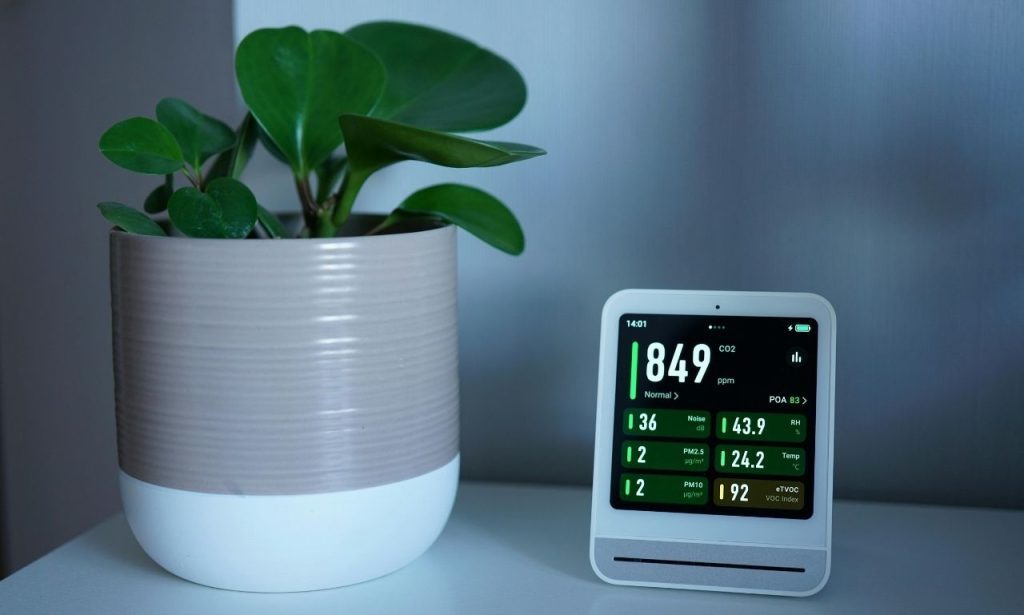
Indoor air problems rarely announce themselves dramatically. Instead, symptoms often develop gradually and may be mistaken for seasonal allergies or frequent minor illnesses.
Some warning signs include persistent nasal congestion, dry throat, frequent coughing, irritated eyes, headaches, unexplained fatigue, or worsening allergy symptoms while indoors.
People sometimes notice they feel better after spending time outdoors or away from a particular building. That pattern may indicate an environmental rather than infectious cause.
Frequent respiratory infections alone do not prove indoor air quality is responsible. However, recurring symptoms that consistently improve outside the affected environment deserve attention.
Professional indoor air assessments may identify hidden mold, elevated particulate levels, excessive humidity, poor ventilation, or chemical contaminants that routine cleaning cannot detect.
Practical Ways to Improve Indoor Air Quality
Improving indoor air rarely depends on one expensive solution. Small, consistent changes often produce meaningful improvements over time.
Good ventilation remains one of the most effective strategies. Opening windows when outdoor conditions permit helps dilute indoor pollutants. Mechanical ventilation systems also improve fresh air exchange in modern buildings.
Maintaining indoor humidity between 30 and 50 percent discourages mold growth while reducing excessive dryness that irritates airways.
Regular vacuuming with HEPA-filter equipment removes fine particles more effectively than standard vacuums. Washing bedding weekly in hot water helps reduce dust mites.
Air purifiers equipped with true HEPA filters can reduce airborne particles, particularly in bedrooms or living areas where people spend the most time.
Limiting unnecessary scented products, smoking indoors, and excessive use of harsh cleaning chemicals further reduces chemical exposure.
Routine maintenance of heating and cooling systems also improves airflow while preventing dust accumulation inside ductwork.
Indoor Air Quality and Everyday Lifestyle Habits
Cleaner air supports health most effectively when combined with other habits that strengthen immune resilience.
A balanced diet provides vitamins, minerals, antioxidants, and healthy fats needed for normal immune function. Regular physical activity supports circulation and helps regulate inflammation throughout the body.
Adequate sleep allows immune cells to recover and coordinate properly after daily exposure to environmental stressors. Chronic sleep deprivation can amplify inflammatory responses already triggered by poor air quality.
Stress management also matters. Long-term psychological stress affects hormone regulation and immune signaling, making the body less adaptable to environmental challenges.
These lifestyle factors cannot eliminate indoor pollutants, but they help create a stronger foundation from which the immune system can respond.
The relationship between environmental exposure and immunity reflects the combined influence of many daily choices rather than a single factor alone.
Conclusion
A healthy home is rarely defined by spotless surfaces alone. Invisible conditions often matter just as much as visible cleanliness, especially when people spend most of their lives indoors. While no indoor environment can be completely free of pollutants, reducing unnecessary exposure supports healthier respiratory tissues and more balanced immune function.
Current evidence does not suggest that every dusty room will immediately cause illness. Instead, it shows that long-term exposure deserves attention, particularly for vulnerable groups. Understanding how poor indoor air quality can affect immunity encourages practical decisions that protect health without unnecessary alarm.
Also Read: How Long Does Immune Memory Last After an Infection?
FAQs
It may contribute to more frequent respiratory symptoms by irritating the airways and increasing inflammation, although many other factors also influence infection risk.
No. An air purifier does not directly strengthen immunity, but it can reduce airborne particles that place extra stress on the respiratory system.
Yes. Mold spores can trigger allergic reactions, worsen asthma, and contribute to ongoing inflammation, especially after prolonged exposure.
Persistent odors, visible mold, excessive dust, frequent allergy symptoms indoors, and condensation or dampness may indicate indoor air quality problems.
