
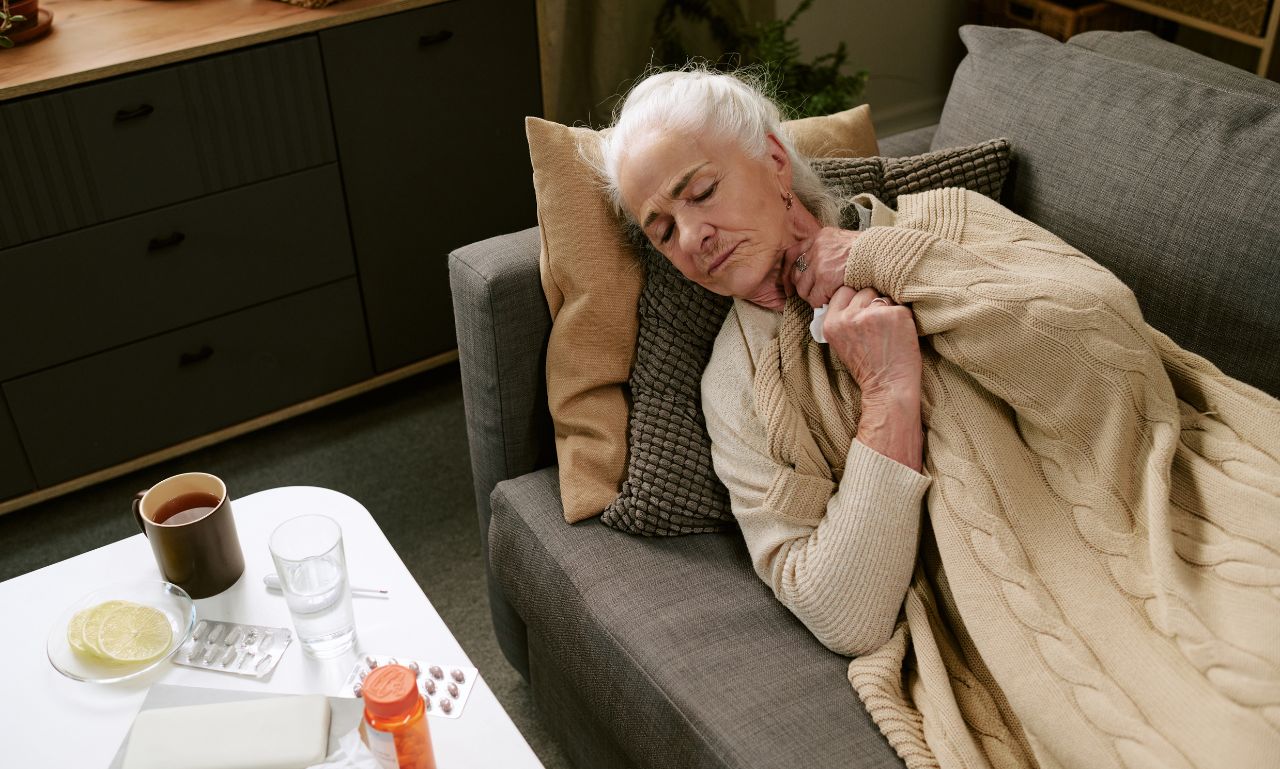
A visit to the hospital often reveals an interesting contrast. Two people of similar age may undergo the same surgery or recover from the same infection, yet one returns home within days while the other needs weeks or even months before regaining independence. These differences are rarely explained by age alone. Instead, they reflect a complex interaction of biology, lifestyle, medical history, and the support available during recovery.Understanding why older adults recover from illness at different speeds helps families, caregivers, and older individuals make informed decisions. Recovery is not simply about surviving an illness; it is about restoring strength, mobility, confidence, and quality of life. Modern research shows that many influences on healing can be identified, managed, and sometimes improved.
Aging Changes the Body Long Before Illness Appears
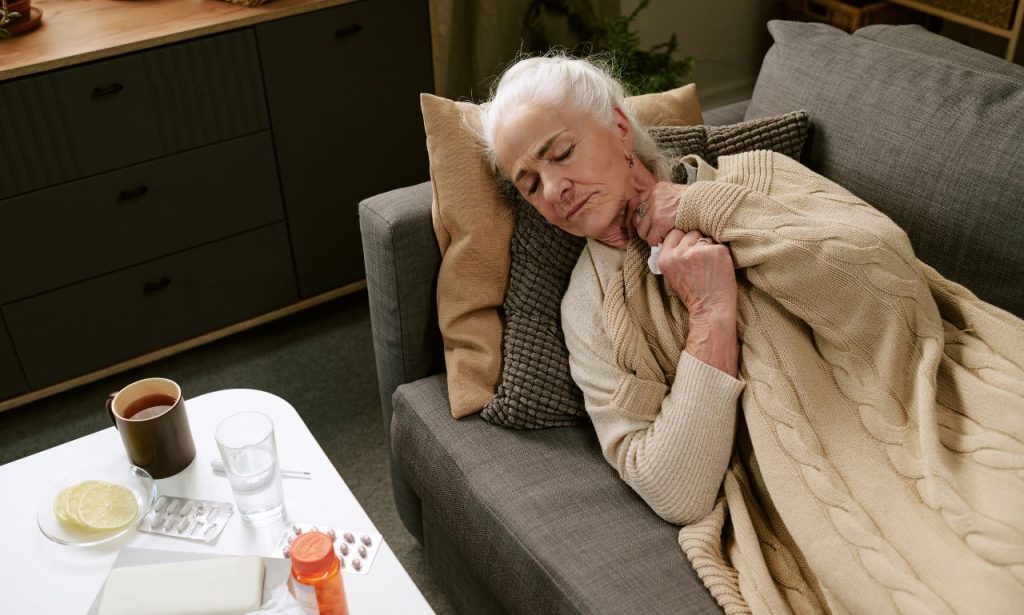
Recovery begins well before someone becomes sick. Throughout adulthood, every organ system gradually adapts to the aging process. These changes often remain unnoticed until the body faces the stress of disease, surgery, or injury.
The heart may pump efficiently during everyday activities but have less reserve during infection. The lungs exchange oxygen effectively under normal conditions but recover more slowly from pneumonia. Muscles lose strength gradually over decades, reducing the body’s ability to withstand periods of inactivity.
These shifts do not affect everyone equally. Genetics, nutrition, physical activity, and lifelong health habits determine how much reserve each person retains. Two individuals who are both 75 years old may have remarkably different physiological capacities despite sharing the same birth year.
Medical professionals sometimes refer to this reserve as resilience. The greater the reserve, the more effectively the body responds to unexpected challenges.
The Immune System Becomes Less Responsive
One of the most significant reasons why older adults recover from illness at different speeds involves changes within the immune system.
A Slower Initial Response
As people age, immune cells become less efficient at recognizing and attacking invading bacteria and viruses. Scientists describe this gradual decline as immunosenescence.
A slower immune response means infections may take longer to control. Fever may be less pronounced, symptoms may appear differently, and healing often extends beyond the timeline expected in younger adults.
Increased Inflammation
At the same time, many older adults experience persistent low-grade inflammation, sometimes called “inflammaging.”
Rather than helping recovery, chronic inflammation can interfere with tissue repair, contribute to fatigue, and increase the likelihood of complications after illness. Researchers believe this ongoing inflammatory state plays an important role in slower recovery from many conditions, including respiratory infections, fractures, and surgery.
Chronic Diseases Often Complicate Recovery
Most older adults live with at least one chronic medical condition, and many manage several simultaneously. These illnesses influence how effectively the body heals.
Diabetes may reduce circulation and delay wound healing. Heart disease can limit oxygen delivery to recovering tissues. Chronic kidney disease affects fluid balance and medication processing. Lung disorders reduce oxygen availability during physical recovery.
The interaction between conditions often matters as much as the individual diagnoses themselves. A person recovering from influenza while managing heart failure and diabetes faces a much more complicated recovery than someone without these additional health concerns.
Healthcare providers increasingly recognize that treating the primary illness alone is not enough. Successful recovery depends on managing existing conditions throughout the healing process.
Muscle Loss Makes Recovery More Challenging
Physical strength often determines how quickly someone regains independence after illness.
Beginning around middle age, adults gradually lose muscle mass unless they actively maintain it through resistance exercise and adequate protein intake. This age-related muscle loss, known as sarcopenia, accelerates after periods of bed rest.
Even a short hospital stay can lead to measurable declines in muscle strength. Older adults may lose the ability to climb stairs, rise from a chair comfortably, or walk long distances.
This explains why rehabilitation has become an essential part of modern healthcare. Recovery frequently involves rebuilding strength rather than simply waiting for symptoms to disappear.
People who entered an illness physically active often regain function much faster than those who were already sedentary.
Nutrition Has a Larger Impact Than Many People Realize

Healing demands energy, protein, vitamins, minerals, and adequate hydration. Unfortunately, illness often reduces appetite precisely when nutritional needs increase.
Older adults may eat less because of changes in taste, dental problems, medication side effects, swallowing difficulties, or digestive conditions. Some intentionally restrict food because they fear weight gain, unaware that temporary weight loss during illness often reflects muscle loss rather than excess fat.
Protein deserves particular attention. It supplies the building blocks needed to repair tissues, maintain immune function, and preserve muscle.
Micronutrients also contribute significantly. Vitamin D supports muscle and bone health. Zinc participates in wound healing. Vitamin C contributes to collagen formation. Iron helps transport oxygen throughout the body.
Balanced nutrition cannot guarantee rapid recovery, but inadequate nutrition almost always slows it.
Sleep, Stress, and Mental Health Influence Healing
Recovery happens around the clock, not only during medical treatment.
Quality sleep supports immune function, hormone regulation, tissue repair, and memory. Yet many older adults experience fragmented sleep because of pain, medication schedules, hospital environments, or underlying sleep disorders.
Psychological health also matters.
Depression may reduce motivation to exercise, eat well, or participate in rehabilitation. Anxiety can increase stress hormones that interfere with healing. Loneliness has been associated with poorer health outcomes across numerous medical conditions.
Conversely, optimism, social engagement, and emotional support frequently improve adherence to treatment plans and encourage healthier behaviors throughout recovery.
These influences are difficult to measure precisely, but they consistently appear in studies examining successful aging.
Medications Can Help—or Slow Progress
Older adults often take multiple medications, a situation known as polypharmacy.
Each prescription may serve an important purpose, yet combinations sometimes produce unintended effects. Certain medications increase dizziness, reduce appetite, impair balance, or contribute to confusion.
Drug interactions also become more common because aging changes how the liver and kidneys process medications.
Healthcare providers frequently review medication lists after hospitalization to identify unnecessary drugs or adjust dosages. This process may reduce side effects that interfere with recovery.
Patients should never discontinue medications independently, but discussing concerns with healthcare professionals can be an important step toward improving overall health.
Frailty Is Different From Age
People often confuse chronological age with frailty, but they are not the same.
Frailty describes a state of reduced physiological reserve that leaves individuals more vulnerable to illness and stress. Characteristics may include unintentional weight loss, weakness, exhaustion, slower walking speed, and lower physical activity.
Some people in their nineties remain remarkably robust, while others become frail decades earlier.
Recognizing frailty allows healthcare teams to tailor treatment plans. More intensive rehabilitation, nutritional support, and closer follow-up may improve outcomes for vulnerable patients.
Understanding frailty also helps explain why older adults recover from illness at different speeds, even among people born within the same decade.
Rehabilitation Extends Beyond the Hospital
Leaving the hospital marks the beginning—not the end—of recovery.
Physical therapists help rebuild mobility and strength. Occupational therapists focus on daily activities such as dressing, cooking, and bathing. Speech-language pathologists assist individuals recovering from strokes or swallowing disorders.
Recovery may continue for months after serious illness.
Small daily improvements often matter more than dramatic milestones. Walking slightly farther each week, climbing stairs more comfortably, or preparing meals independently all represent meaningful progress.
Families sometimes underestimate how exhausting rehabilitation can be. Consistent encouragement, realistic expectations, and patience often contribute as much as formal therapy sessions.
Social Support Shapes Recovery Outcomes
Medicine increasingly recognizes that health extends beyond prescriptions and procedures.
Older adults with supportive families or strong community connections often recover more successfully than those facing illness alone.
Practical assistance can include transportation to appointments, help preparing meals, reminders about medications, or companionship during rehabilitation exercises.
Social interaction also provides emotional benefits. Encouragement reduces feelings of isolation, increases confidence, and helps maintain motivation during lengthy recoveries.
Communities can contribute through senior centers, exercise groups, volunteer organizations, and home-care services. These resources reduce barriers that might otherwise delay healing.
Healthcare systems increasingly consider social circumstances alongside medical factors because both influence long-term outcomes.
What Individuals Can Do Before Illness Occurs

Recovery does not begin in the emergency department. Many protective habits are established years beforehand.
Regular physical activity remains one of the strongest predictors of healthy aging. Strength training preserves muscle, aerobic exercise supports cardiovascular health, and balance exercises reduce falls.
Routine preventive care helps control chronic diseases before complications arise. Vaccinations reduce the severity of infections that disproportionately affect older adults.
Maintaining healthy nutrition, staying socially engaged, managing stress, and obtaining adequate sleep collectively strengthen resilience.
Even modest improvements matter. Someone who begins walking regularly in their seventies may improve physical reserve enough to experience a smoother recovery after future illness or surgery.
Preparation is not about preventing every disease. Rather, it increases the body’s capacity to respond effectively when health challenges inevitably occur.
Recovery Is Becoming More Personalized
Medical research increasingly recognizes that recovery should be tailored to the individual rather than based solely on diagnosis or age.
Hospitals now use comprehensive geriatric assessments that examine physical function, cognition, nutrition, medications, mobility, and social circumstances. These evaluations help identify patients who may benefit from specialized rehabilitation or additional support after discharge.
Emerging technologies may further personalize recovery. Wearable devices can monitor mobility at home, while artificial intelligence may help identify patients at greater risk of complications. Advances in nutrition science, rehabilitation techniques, and precision medicine are also expanding opportunities to improve outcomes.
The future of healthy aging is unlikely to depend on a single breakthrough. Instead, progress will come from combining medical treatment with a deeper understanding of each person’s unique strengths and vulnerabilities.
Conclusion
Healthy aging is shaped as much by resilience as by the illnesses that inevitably arise over time. The pace of healing reflects decades of accumulated experiences—from lifelong exercise habits and nutrition to chronic disease management and social connections—rather than birthdays alone.
Recognizing why older adults recover from illness at different speeds encourages a more realistic and compassionate view of recovery. Instead of comparing one person’s progress with another’s, attention shifts toward identifying the factors that can be strengthened, whether through rehabilitation, better nutrition, medication review, or stronger community support.
As healthcare continues to evolve, successful recovery will increasingly focus on restoring independence, preserving quality of life, and helping individuals maintain the highest possible level of function. That perspective benefits not only older adults themselves but also the families, caregivers, and healthcare professionals who support them throughout the journey.
Also Read: What Happens to Your Immune System After Age 40?
FAQs
Recovery depends on many factors, including overall health, muscle strength, nutrition, chronic diseases, immune function, medications, and social support—not simply age.
Yes. Maintaining strength, balance, and cardiovascular fitness before illness generally increases physical reserve and supports faster rehabilitation.
Absolutely. Adequate protein, vitamins, minerals, calories, and hydration are essential for tissue repair, immune function, and preserving muscle during recovery.
Not necessarily. Healing times naturally vary between individuals, although persistent decline, worsening symptoms, or failure to regain function should be evaluated by a healthcare professional.
