
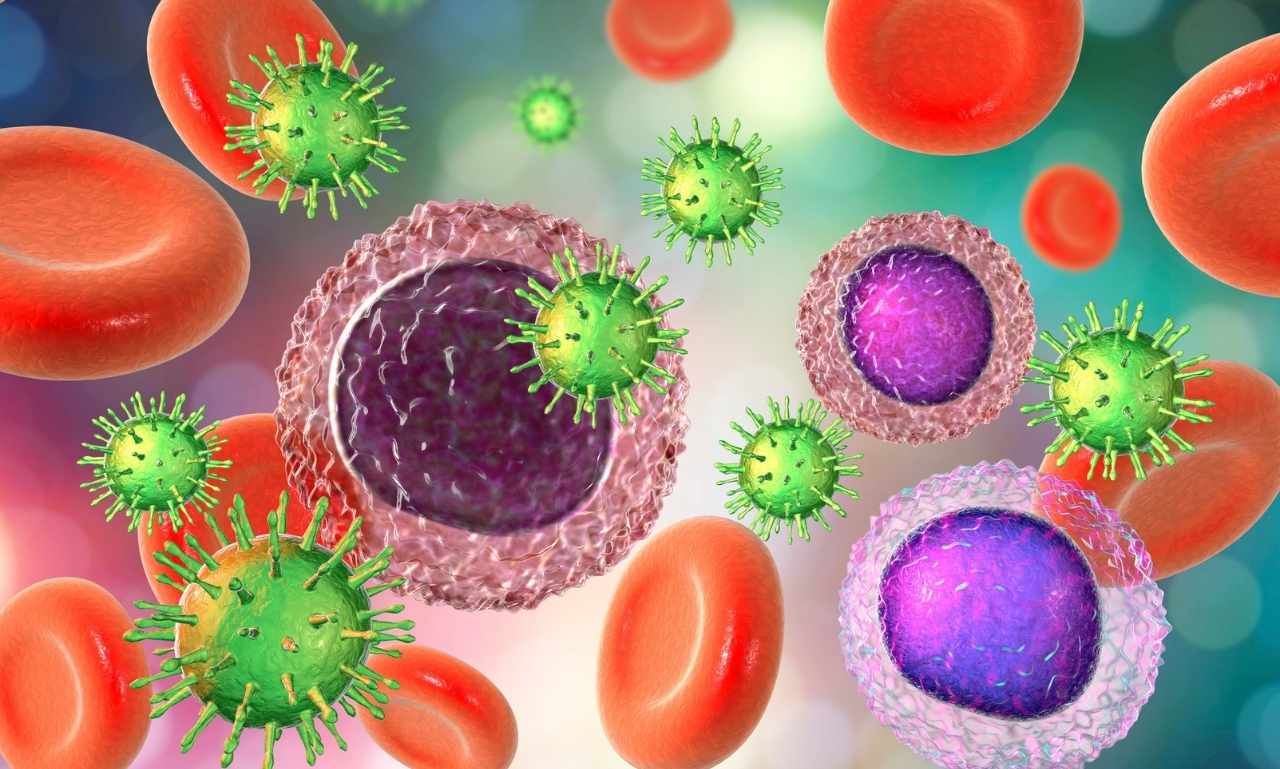
How long does immune memory last after an infection? It is a question that has become increasingly common since the COVID-19 pandemic, but scientists have studied immune memory for more than a century. The answer is not simple because immune memory can last anywhere from a few months to an entire lifetime, depending on the infection and the way the immune system responds.
What Is Immune Memory and Why Does It Matter?
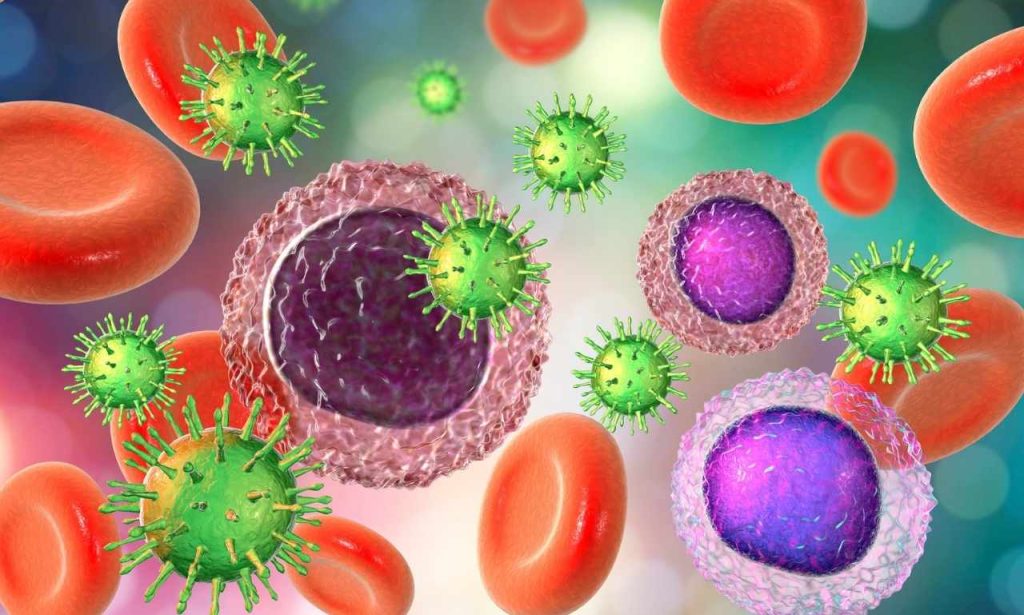
Most people think immunity means antibodies circulating in the blood. In reality, immune memory is much broader and more sophisticated. It is the immune system’s ability to recognize a pathogen it has encountered before and respond more quickly the next time it appears.
When a virus, bacterium, or other pathogen enters the body for the first time, the immune system launches a primary response. This process takes time. During that period, symptoms often develop because the pathogen has an opportunity to multiply.
Once the infection is cleared, the immune system keeps a record of that encounter. Specialized memory cells remain behind, allowing the body to react faster and more effectively if the same threat returns.
This ability explains why many childhood diseases are rarely contracted twice and why vaccines can provide protection without causing illness.
How Immune Memory Develops After Infection
The creation of immune memory begins during the body’s first encounter with a pathogen. Immune cells identify foreign invaders and begin producing targeted defenses.
As the infection progresses, some immune cells transform into long-term memory cells. These cells can remain dormant for years while retaining information about the pathogen.
If reinfection occurs, those cells quickly reactivate and help coordinate a much stronger immune response.
The Key Components That Keep Immune Memory Alive
To understand how long immune memory lasts after an infection, it helps to know the main players involved.
Antibodies
Antibodies are proteins produced by B cells. They circulate through the bloodstream and help identify and neutralize pathogens.
Many people assume immunity disappears when antibody levels decline. That assumption is often incorrect. Antibodies naturally decrease after an infection because maintaining high levels indefinitely would waste energy and resources.
Memory B Cells
Memory B cells act as the immune system’s archive. They store information about past infections and can rapidly produce new antibodies when needed.
These cells often survive much longer than antibodies themselves.
Memory T Cells
T cells serve a different but equally important function. Some help coordinate immune responses, while others directly destroy infected cells.
Memory T cells can provide long-lasting protection against severe illness even when antibodies become difficult to detect.
How Long Does Immune Memory Last After an Infection?
The duration of immune memory varies considerably between diseases.
Some infections create protection that lasts only a few months. Others leave behind immune memory that remains effective for decades.
Researchers have observed several broad patterns.
For common cold coronaviruses, immunity often declines within one to three years. Reinfections occur because antibody levels drop and the viruses continue evolving.
Influenza presents a different challenge. Immune memory may persist for years, but the virus changes so frequently that previous immunity becomes less effective.
Chickenpox typically produces long-lasting immune memory that can endure for life. Measles often provides lifelong protection after a single infection.
Studies involving survivors of the 1918 influenza pandemic found measurable immune responses many decades later. Research involving smallpox has also revealed immune memory lasting for several decades after exposure.
The persistence of immune memory depends not only on the immune system but also on the characteristics of the pathogen itself.
Why Some Infections Create Lifelong Protection

Not all pathogens are equally good at stimulating durable immune responses.
Certain viruses remain relatively stable over time. Their structure changes very little, making them easier for the immune system to recognize years later.
Measles is a classic example. Because the virus does not mutate rapidly, immune memory generated during infection often remains effective for life.
Other pathogens evolve constantly. Influenza and many respiratory viruses frequently acquire new mutations that help them evade existing immune defenses.
Even if immune memory remains present, those changes can reduce its effectiveness.
The Role of Infection Severity
The severity of an infection can also influence immune memory.
A stronger immune response may generate larger numbers of memory cells. However, this does not mean severe illness is desirable or necessary.
Many people develop robust immune memory after mild or moderate infections. The relationship between disease severity and long-term protection is far more complex than commonly believed.
Why Antibody Levels Naturally Decline
One of the most misunderstood aspects of immunity involves declining antibodies.
People often see reports showing reduced antibody levels months after infection and assume immunity has vanished. That conclusion ignores how the immune system actually works.
After an infection resolves, the body no longer needs large quantities of circulating antibodies. As a result, production decreases.
This decline is normal and expected.
The important question is whether memory B cells and memory T cells remain capable of responding when exposure occurs again. In many cases, they do.
Immune memory should not be judged solely by antibody tests.
Can You Get Reinfected Even With Immune Memory?
Yes, reinfection is possible despite immune memory.
Protection exists on a spectrum rather than as an all-or-nothing phenomenon. Immune memory may not always prevent infection entirely, but it often reduces disease severity.
A person exposed to a familiar virus may still become infected. However, symptoms are frequently milder because the immune system responds much faster than it did during the first encounter.
This pattern has been observed with COVID-19, influenza, and many other respiratory infections.
Why Reinfections Are Often Less Severe
Memory cells can rapidly produce antibodies and activate other immune defenses before the pathogen reaches high levels.
As a result, the infection may be controlled more efficiently, reducing complications and shortening recovery time.
That is one reason why immunologists often focus not only on preventing infection but also on preventing severe disease.
How Long Do Memory B Cells Last?
Memory B cells have become a major focus of modern immunology because they often persist far longer than antibodies.
These cells reside in lymph nodes, bone marrow, and other tissues throughout the body. They remain inactive until they encounter a familiar pathogen.
Research has demonstrated that memory B cells can survive for many years after infection. Some studies suggest they may persist for decades under the right conditions.
Their longevity explains why antibody levels alone do not tell the full story of immunity.
A person with low antibody levels may still possess a powerful reserve of memory B cells capable of generating new antibodies within days of exposure.
How Long Do Memory T Cells Last?
Memory T cells represent another critical layer of immune protection.
Unlike antibodies, which target pathogens before they enter cells, T cells focus on infected cells that already contain the pathogen.
Studies have found memory T cells years after infections caused by SARS, influenza, smallpox, and other viruses.
In some cases, measurable T-cell responses have persisted for more than two decades.
Why T Cells Matter for Severe Disease Prevention
T cells often recognize parts of viruses that change less frequently than surface proteins targeted by antibodies.
Because of this, they may continue providing protection even when viral mutations reduce antibody effectiveness.
Their ability to limit severe illness has become increasingly important in discussions about long-term immunity.
Factors That Influence How Long Immune Memory Lasts
Immune memory does not function identically in every individual.
Several factors influence how long protection remains effective.
Age plays a significant role. Older adults often experience immune senescence, a gradual decline in immune function that can affect memory cell performance.
Genetics also contribute. Individuals vary in how their immune systems recognize and respond to pathogens.
Lifestyle factors matter as well. Poor nutrition, chronic stress, inadequate sleep, and certain medical conditions can impair immune function over time.
Medications that suppress the immune system may further affect the development and maintenance of immune memory.
Although healthy habits cannot guarantee long-lasting immunity, they help support overall immune health.
Natural Immunity vs Vaccine-Induced Immunity
Discussions about immune memory often lead to comparisons between natural infection and vaccination.
Both approaches create immune memory, but they do so differently.
Natural infection exposes the immune system to the entire pathogen. Vaccines typically present only specific components that stimulate protective responses.
Some infections generate strong natural immunity. Others carry substantial risks that outweigh potential benefits.
Vaccines provide a safer way to build immune memory without exposing people to the complications associated with disease.
In many cases, vaccine-induced immunity equals or exceeds the protection gained through infection alone.
Modern vaccines are specifically designed to train immune memory while minimizing harm.
Can You Strengthen Long-Term Immune Memory?
There is no proven method to permanently enhance immune memory beyond its natural limits. However, certain practices help support healthy immune function.
Vaccination remains one of the most effective tools. Booster doses can reinforce immune memory and improve protection against evolving pathogens.
Adequate sleep supports immune regulation. Regular physical activity contributes to overall immune resilience.
Balanced nutrition provides essential nutrients required for immune cell function. Managing chronic stress may also support healthier immune responses.
These habits do not create immunity on their own, but they help maintain the systems responsible for immune protection.
Conclusion
So, how long does immune memory last after an infection? The answer depends on the pathogen, the individual’s immune response, and the specific components of immunity being measured. While antibodies often decline within months or years, memory B cells and T cells can persist much longer, sometimes for decades. Immune memory is not simply about preventing infection. Its greatest value often lies in helping the body recognize familiar threats quickly and reducing the risk of severe illness when exposure occurs again.
Also Read: Why Do Some People Rarely Get Sick?
FAQs
Yes. Certain infections, including measles and chickenpox, can produce immune memory that lasts for most or all of a person’s life.
No. Antibody levels naturally decline after infection, but memory cells often remain and can generate new antibodies when needed.
It depends on the disease. Some infections produce strong natural immunity, but vaccines often provide comparable protection without the risks associated with illness.
Immune memory may not always prevent infection entirely. Instead, it often reduces symptom severity and helps the body recover more quickly.
