

Mental health check-ins have become a common recommendation from therapists, wellness experts, and healthcare providers. Yet many people still wonder what they actually involve. The idea sounds helpful, but it can also feel vague. Understanding what a mental health check-in looks like in practice can make it easier to recognize your needs before stress, anxiety, or burnout begin to take over.
Understanding the Purpose of a Mental Health Check-In

A mental health check-in is a deliberate moment of self-reflection. It involves pausing long enough to notice what is happening emotionally, mentally, and physically. Unlike a formal mental health assessment, a check-in is not designed to diagnose a condition. Instead, it helps you understand your current state and identify any concerns that may need attention.
Most people regularly monitor their physical health. They notice headaches, fatigue, or signs of illness. Mental health deserves the same level of awareness. Thoughts, emotions, stress levels, and behavioral changes often provide valuable information about overall well-being.
A check-in creates space to recognize these signals before they develop into larger problems. It encourages self-awareness and helps people respond to challenges with greater clarity.
What Does a Mental Health Check-In Actually Look Like Day to Day?
The answer depends on the individual, but most effective check-ins follow a similar pattern. They begin with a pause. This may happen during a quiet morning, a lunch break, or before going to bed.
The goal is not to solve every problem. The goal is to observe.
A typical mental health check-in may include questions such as:
- How am I feeling today?
- What emotions have been present recently?
- What has been causing stress?
- How is my energy level?
- Have I been sleeping well?
- What do I need right now?
Consider someone who feels unusually irritable throughout the week. During a check-in, they may realize they have been sleeping poorly and working long hours without breaks. That awareness can lead to practical adjustments before burnout develops.
The process often takes only a few minutes, but the insights can be significant.
The Emotional Signs Worth Paying Attention To
Emotions often provide the clearest clues about mental well-being. During a check-in, it helps to move beyond broad labels like “good” or “bad.”
Instead, try identifying specific emotions. You might feel frustrated, disappointed, anxious, hopeful, overwhelmed, or content. Naming emotions accurately helps create a clearer understanding of what is happening beneath the surface.
Many people discover that they have been suppressing difficult feelings without realizing it. Others notice emotional patterns linked to work pressures, family responsibilities, or social situations.
Pay attention to emotional changes that persist for several weeks. Frequent sadness, increased irritability, emotional numbness, or ongoing anxiety may indicate a need for additional support.
Examining Stress Levels and Daily Pressures
Stress plays a major role in mental health. Yet people often adapt to chronic stress without recognizing its impact.
A meaningful check-in includes an honest evaluation of current stressors. Ask yourself where your mental energy is going. Consider deadlines, financial concerns, relationships, caregiving responsibilities, health issues, or major life changes.
Not all stress is harmful. Short-term challenges can motivate growth and productivity. Problems arise when stress becomes constant and recovery periods disappear.
One useful approach involves rating stress on a scale from one to ten. Tracking those ratings over time can reveal patterns. If stress consistently remains high, it may be time to reassess priorities, boundaries, or coping strategies.
The Connection Between Physical and Mental Health
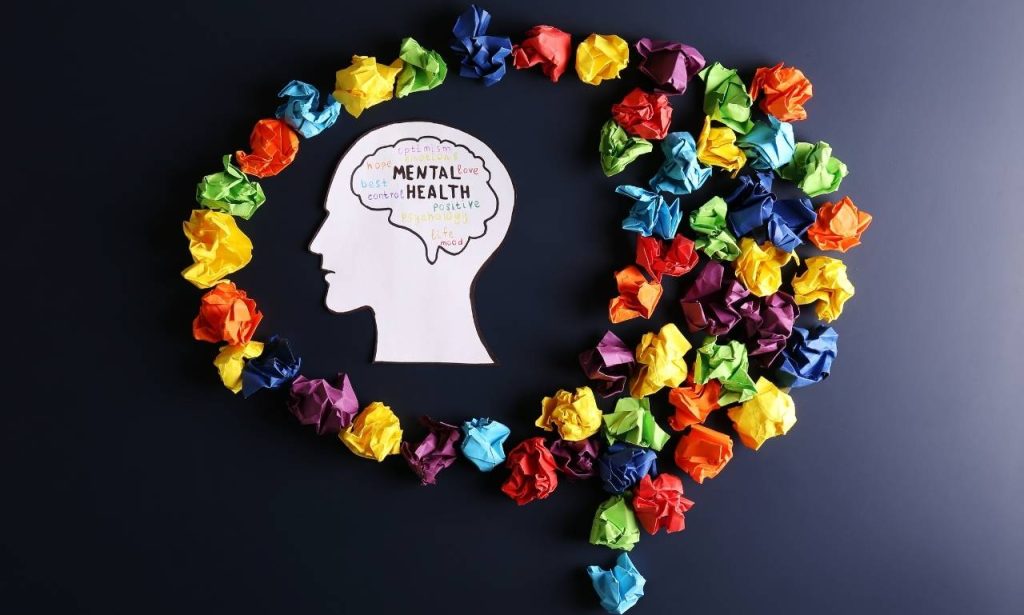
Mental health does not exist separately from physical health. The two constantly influence each other.
That is why a mental health check-in should include physical observations. Sleep quality, appetite, energy levels, exercise habits, and physical tension often reflect emotional well-being.
Someone experiencing anxiety may notice muscle tightness, headaches, or digestive issues. A person dealing with depression may experience fatigue, changes in appetite, or difficulty getting out of bed.
Consider questions such as:
How Well Am I Sleeping?
Sleep disruption is often one of the earliest signs of emotional distress. Difficulty falling asleep, frequent waking, or sleeping excessively can signal underlying concerns.
What Is My Energy Level Like?
Energy provides valuable insight into mental health. Persistent exhaustion may indicate chronic stress, burnout, anxiety, or depression.
Am I Taking Care of My Physical Needs?
Basic needs sometimes get overlooked during stressful periods. Nutrition, hydration, movement, and rest all contribute to emotional resilience.
Questions That Make Mental Health Check-Ins More Effective
Many people struggle because they ask themselves questions that are too broad. More specific questions tend to produce better insights.
Some of the most effective questions include:
What Has Been Occupying My Mind Most Often?
Recurring thoughts often reveal unresolved concerns. Paying attention to mental patterns can highlight issues that deserve attention.
What Has Felt Difficult Recently?
This question encourages honesty without judgment. It helps identify challenges that may be contributing to emotional strain.
What Has Gone Well?
Mental health check-ins should not focus exclusively on problems. Recognizing positive experiences creates a more balanced perspective.
What Do I Need More of Right Now?
The answer might be rest, connection, exercise, structure, support, or simply time away from daily demands.
Recognizing the Early Signs of Burnout
One reason mental health check-ins matter is their ability to identify burnout early.
Burnout rarely appears overnight. It develops gradually through prolonged stress, excessive demands, and inadequate recovery.
Common warning signs include:
- Persistent fatigue
- Reduced motivation
- Increased cynicism
- Difficulty concentrating
- Emotional exhaustion
- Feeling detached from responsibilities
A weekly check-in can help identify these symptoms before they become severe. Early recognition often makes recovery much easier.
People who regularly assess their mental state are more likely to notice when their coping resources are becoming depleted.
How Mental Health Check-Ins Improve Relationships
Mental health does not exist in isolation. Emotional well-being affects communication, patience, empathy, and connection with others.
Regular check-ins can improve relationships by increasing self-awareness. When people understand their emotional state, they are less likely to project frustration onto family members, partners, friends, or colleagues.
For example, someone who recognizes that work stress is affecting their mood may communicate their needs more clearly instead of becoming withdrawn or reactive.
Mental health check-ins can also be shared experiences. Some couples schedule weekly conversations about stress, emotional needs, and personal well-being. Families often benefit from similar discussions.
These conversations create opportunities for support before problems escalate.
When a Mental Health Check-In May Not Be Enough

Although self-reflection is valuable, it has limits. Some situations require professional guidance.
A mental health check-in can help identify concerns, but it cannot replace therapy, counseling, or medical treatment when serious symptoms are present.
Professional support may be necessary if you experience:
- Persistent sadness lasting several weeks
- Severe anxiety
- Panic attacks
- Significant changes in sleep or appetite
- Difficulty functioning at work or school
- Social withdrawal
- Thoughts of self-harm
Seeking help is not a sign of weakness. It is often the most effective response when mental health challenges begin affecting daily life.
Mental health professionals provide tools, perspectives, and treatment options that go beyond self-assessment.
Building a Sustainable Mental Health Check-In Habit
The most effective mental health check-ins are consistent rather than perfect. Many people abandon the practice because they assume it requires lengthy journaling sessions or complicated routines.
In reality, consistency matters more than duration.
Choose a time that fits naturally into your schedule. Some people prefer a brief morning reflection. Others find evenings more useful because they can review the day.
Keeping a journal can help track patterns over time. Mood-tracking apps may also provide useful insights. The method matters less than the habit itself.
A simple five-minute check-in performed several times each week often provides more value than an elaborate exercise done once every few months.
Over time, these small moments of awareness build a deeper understanding of emotional needs, stress triggers, and personal strengths.
Conclusion
Understanding what a mental health check-in actually looks like removes much of the mystery surrounding the practice. It is not a formal evaluation or a complicated wellness ritual. It is a structured pause that allows you to notice your emotions, assess stress levels, evaluate physical well-being, and identify what you need most.
Regular mental health check-ins help people catch warning signs early, improve emotional awareness, and make healthier decisions before challenges become overwhelming. While they cannot replace professional care when serious concerns arise, they remain one of the simplest and most effective tools for maintaining long-term mental well-being.
Also Read: Can Daily Self-Reflection Improve Mental Health?
FAQs
A mental health check-in involves pausing to evaluate your emotions, thoughts, stress levels, physical well-being, and current needs. It is a simple form of self-reflection designed to increase awareness.
Many experts recommend brief daily check-ins and a more detailed weekly review. Consistency is more important than frequency.
Yes. Regular check-ins help identify stress, exhaustion, and emotional strain before they develop into full burnout.
No. A mental health check-in is a self-reflection practice. Therapy involves professional guidance, assessment, and evidence-based treatment.
