

Most people spend time thinking about what happened during the day. Far fewer stop to examine why certain moments affected them, why particular emotions linger, or why the same frustrations keep appearing. That small difference matters more than it may seem. The question, “Can daily self-reflection improve mental health?” is worth asking because mental well-being often depends as much on understanding ourselves as on managing the world around us.
What Is Self-Reflection?

Self-reflection is the habit of looking inward with intention. It involves examining thoughts, emotions, decisions, and experiences to better understand how they shape daily life.
Many people assume reflection means sitting quietly and analyzing every detail of the day. In reality, it is often much simpler. It can happen during a morning walk, while writing in a journal, or even during a few quiet minutes before bed. The goal is not to judge yourself. The goal is to understand yourself.
That distinction is important. Healthy reflection creates awareness. Harsh self-criticism creates shame. One encourages growth while the other often keeps people stuck.
The most reflective individuals are not necessarily those who think the most. They are usually the people who have learned how to think more clearly about their experiences.
Can Daily Self-Reflection Improve Mental Health?
The evidence suggests it can.
Mental health is influenced by countless factors, including relationships, physical health, genetics, work demands, and life circumstances. Self-reflection does not eliminate those challenges. What it does is help people respond to them more effectively.
When people move through life without reflection, emotions often remain unexplored. Stress accumulates without explanation. Frustration turns into resentment. Anxiety grows without being questioned.
Daily reflection creates an opportunity to notice what is happening beneath the surface. Instead of reacting automatically, people begin to recognize patterns. They identify triggers. They become aware of recurring thoughts and behaviors.
This awareness often becomes the foundation for healthier coping strategies. It is difficult to change something you do not recognize. Reflection brings those hidden patterns into view.
Many therapists encourage reflective practices for this reason. Greater awareness often leads to better emotional regulation, stronger resilience, and improved decision-making.
How Self-Reflection Affects the Brain and Emotions
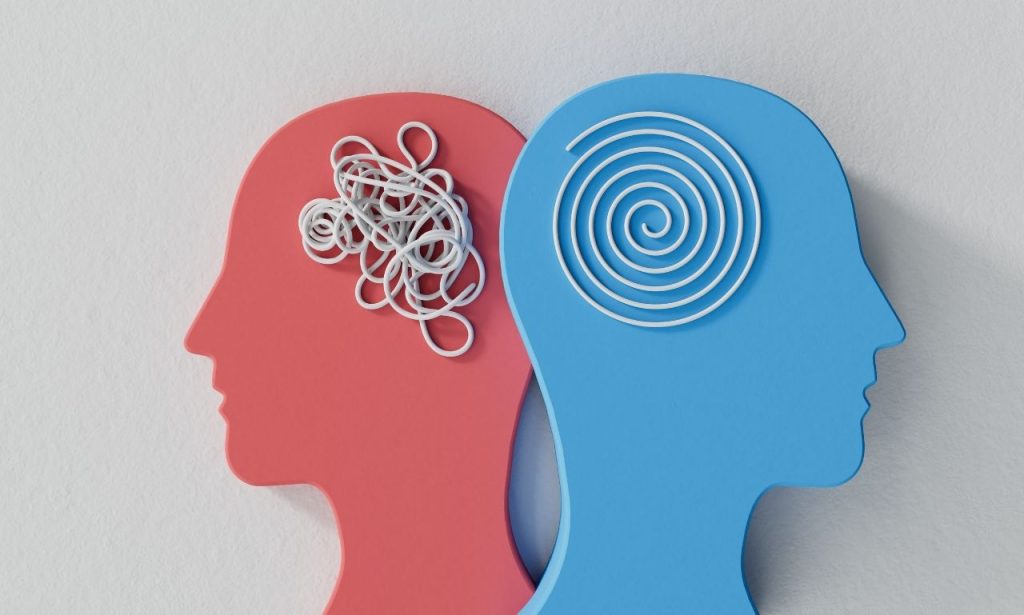
The human brain constantly processes information. Most of that processing happens automatically. People develop habits, reactions, and emotional responses that operate beneath conscious awareness.
Self-reflection interrupts that autopilot mode.
When someone examines an emotional reaction, they engage areas of the brain associated with reasoning, self-awareness, and emotional control. Instead of simply experiencing anger, sadness, or anxiety, they begin to understand why those emotions appeared.
Consider a person who feels unusually irritated after work each day. Without reflection, they may assume they are simply in a bad mood. With reflection, they may discover that unrealistic expectations, poor boundaries, or unresolved workplace tension are contributing to their frustration.
That shift in awareness creates options. Problems that once felt vague become more specific and manageable.
Emotions often feel overwhelming when they seem mysterious. Understanding their source frequently reduces their intensity.
Self-Reflection and Stress Management
Stress rarely arrives all at once. More often, it builds gradually.
A difficult conversation, a demanding schedule, financial pressure, lack of sleep, and family responsibilities may not seem overwhelming individually. Together, however, they can create significant emotional strain.
Self-reflection helps people recognize stress before it reaches that point.
A few minutes of honest reflection can reveal what is causing tension and how it is affecting daily life. Sometimes the source is obvious. Other times, it takes deliberate thought to identify the real issue.
People often discover that what appears to be workplace stress is actually exhaustion. What seems like frustration with others may stem from personal disappointment. Reflection helps separate symptoms from causes.
This process also encourages healthier responses to stress. Instead of carrying emotional weight indefinitely, people can acknowledge it, evaluate it, and determine what actions might reduce it.
The result is not a stress-free life. Rather, it is a more manageable one.
Can Daily Self-Reflection Reduce Anxiety?
Anxiety has a way of pulling attention toward the future. The mind begins imagining possibilities, anticipating problems, and preparing for outcomes that may never occur.
Reflection can create a useful counterbalance.
Rather than becoming trapped in anxious thoughts, people can examine them more objectively. They can ask whether a concern is supported by evidence or driven primarily by fear.
For example, someone might spend days worrying about an upcoming meeting. Through reflection, they may realize that the anxiety has less to do with the meeting itself and more to do with a fear of criticism.
That insight changes the conversation. Instead of worrying about countless hypothetical outcomes, they can focus on a specific concern.
Reflection does not eliminate anxiety. No healthy mental health practice offers that guarantee. What it often does is reduce confusion and create greater emotional clarity.
Clarity can make anxiety feel far less overwhelming.
The Connection Between Self-Reflection and Emotional Intelligence
Emotional intelligence is often discussed in professional settings, but its impact extends far beyond the workplace.
At its core, emotional intelligence involves recognizing emotions, understanding their influence, and responding effectively.
Self-reflection strengthens each of those abilities.
Without reflection, emotions can feel immediate and unquestionable. Someone becomes angry and assumes the anger is justified. They feel rejected and immediately withdraw. They experience disappointment and begin doubting themselves.
Reflection introduces a pause between feeling and reaction.
That pause allows people to ask important questions. Why did this situation affect me so strongly? What assumptions am I making? Is there another perspective I have overlooked?
Over time, these questions improve emotional awareness. They also tend to improve relationships because people become less reactive and more thoughtful in their interactions.
Strong emotional intelligence rarely develops by accident. Reflection is often one of the habits that supports it.
Self-Reflection vs. Rumination: Understanding the Difference
Not all inward thinking is beneficial.
One reason some people struggle with self-reflection is that they confuse it with rumination. While the two may appear similar on the surface, they lead to very different outcomes.
Reflection seeks understanding.
Rumination repeats the same thoughts without producing new insight.
A reflective person examines an experience and looks for meaning, lessons, or perspective. Someone who is ruminating often replays the same situation repeatedly while becoming increasingly frustrated or distressed.
The difference can usually be measured by the result.
After healthy reflection, people often feel clearer. After rumination, they often feel stuck.
A useful question to ask is whether your thinking is helping you understand the situation better. If the answer is no, it may be time to shift attention toward action, problem-solving, or support from others.
Practical Ways to Practice Daily Self-Reflection
Many people avoid self-reflection because they assume it requires lengthy journaling sessions or complicated exercises.
The reality is far less demanding.
Consistency matters more than method. A simple daily practice can be surprisingly effective.
Some people prefer writing because it helps organize their thoughts. Others find clarity through meditation, walking, or quiet conversation. There is no universal formula.
A few questions can often provide enough direction:
- What affected me most today?
- How did I respond to challenges?
- What emotions showed up repeatedly?
- What would I handle differently next time?
- What am I learning about myself?
The purpose is not to generate perfect answers. Reflection works best when approached with curiosity rather than pressure.
Common Mistakes That Make Self-Reflection Less Effective
Like any habit, self-reflection can become unproductive when approached in the wrong way.
One common mistake is focusing exclusively on problems. People naturally pay attention to difficulties, but reflection should also include successes, progress, and positive experiences.
Another mistake involves expecting immediate transformation. Personal growth rarely happens overnight. Meaningful insights often emerge gradually.
Perfectionism can also interfere with reflection. Some individuals treat every mistake as evidence of failure rather than an opportunity to learn. That mindset makes honest self-examination difficult.
There is also the risk of overanalyzing. Not every emotion requires extensive investigation. Sometimes a stressful day is simply a stressful day.
Effective reflection balances awareness with perspective. It encourages understanding without turning every experience into a complex psychological puzzle.
Creating a Sustainable Self-Reflection Routine

The most effective self-reflection practice is usually the one that fits naturally into everyday life.
Many people begin with ambitious plans. They commit to writing pages of journal entries each evening or spending thirty minutes reflecting every morning. Within a few weeks, the routine disappears.
A smaller approach often works better.
Five thoughtful minutes each day can produce more lasting benefits than occasional marathon sessions. Consistency builds awareness. Awareness builds understanding.
It also helps to attach reflection to an existing habit. Some people reflect while drinking coffee in the morning. Others do it during an evening walk or before going to sleep.
The routine does not need to be perfect. Some days will feel insightful. Others will feel ordinary. What matters is maintaining the habit long enough to notice patterns and learn from them.
Over time, those small moments of awareness can change how people understand themselves and respond to life’s challenges.
Conclusion
So, can daily self-reflection improve mental health? For many people, the answer is yes, though perhaps not in the dramatic way self-help culture sometimes suggests.
Reflection does not remove stress, prevent anxiety, or solve every emotional challenge. Its value lies elsewhere. It helps people understand themselves more clearly, reveals patterns that often go unnoticed. It creates space between experience and reaction.
That space can make a meaningful difference. When people understand what they feel and why they feel it, they are often better equipped to make decisions, navigate relationships, and respond to difficulties with greater confidence.
In a world that constantly demands attention, taking a few minutes to examine your own thoughts may be one of the simplest mental health habits worth keeping.
Also Read: What Does a Mental Health Check-In Actually Look Like?
FAQs
Yes. Regular self-reflection can improve self-awareness, emotional regulation, stress management, and overall psychological well-being.
Daily reflection is beneficial for many people, even if it lasts only five to ten minutes.
No. Self-reflection aims to gain understanding and perspective, while overthinking often repeats the same thoughts without producing insight.
Start with a few simple questions about your thoughts, emotions, and experiences at the end of each day. Consistency matters more than the method.
